2024 saw our inaugural visit to La Brenne with popular local guide Jason Mitchell, as well as a long overdue return to Australia, working as ever, alongside local guide Mark Hanger, and a new holiday to Tenerife.
In February Philip and Phil headed south to Tenerife, to an awaiting chorus of Atlantic Canaries and Canary Island Chiffchaffs. A week on the island gave us the chance to familiarise ourselves with a fine selection of Aeoniums and Echiums, which are noticeably diverse here. And no trip to Tenerife is complete without a visit to the other-worldly landscapes of the Cañadas surrounding Mount Teide. There was also time to explore the humid laurel forests, and Canary Pine forests, as well as taking a dolphin-filled boat trip along the sheltered west coast, and catching up with a range of endemic birds, butterflies and reptiles.
Sarah and Chris headed to the far side of the Mediterranean in March, for our regular spring visit to Cyprus, where we were soon getting to grips with the island’s sometimes-baffling orchids. Freshly-arrived migrant birds were very much in evidence, and the group managed to uncover some wonderful animals alongside many botanical highlights, including Egyptian Fruit Bats, European Tarantula, Ocellated Skink and the endearing European Worm Snake.
Western Canary Islands Lizard, Tenerife - Philip Precey
Aeonium pseudourbicum, Tenerife - Philip Precey
African Blue Tit, Tenerife - Phillp Precey
Atlantic Spotted Dolphin, Tenerife - Philip Precey
Ophrys umbilicata ssp flavomarginata, Cyprus - Sarah Lambert
European Tarantula, Cyprus - Sarah Lambert
Cyprus Starred Agama, Cyprus - Sarah Lambert
Aristolachia sempervirens, Cyprus - Sarah Lambert
Black-headed Bunting, Lesvos - Philip Precey
Euphorbia rigida, Lesvos - Philip Precey
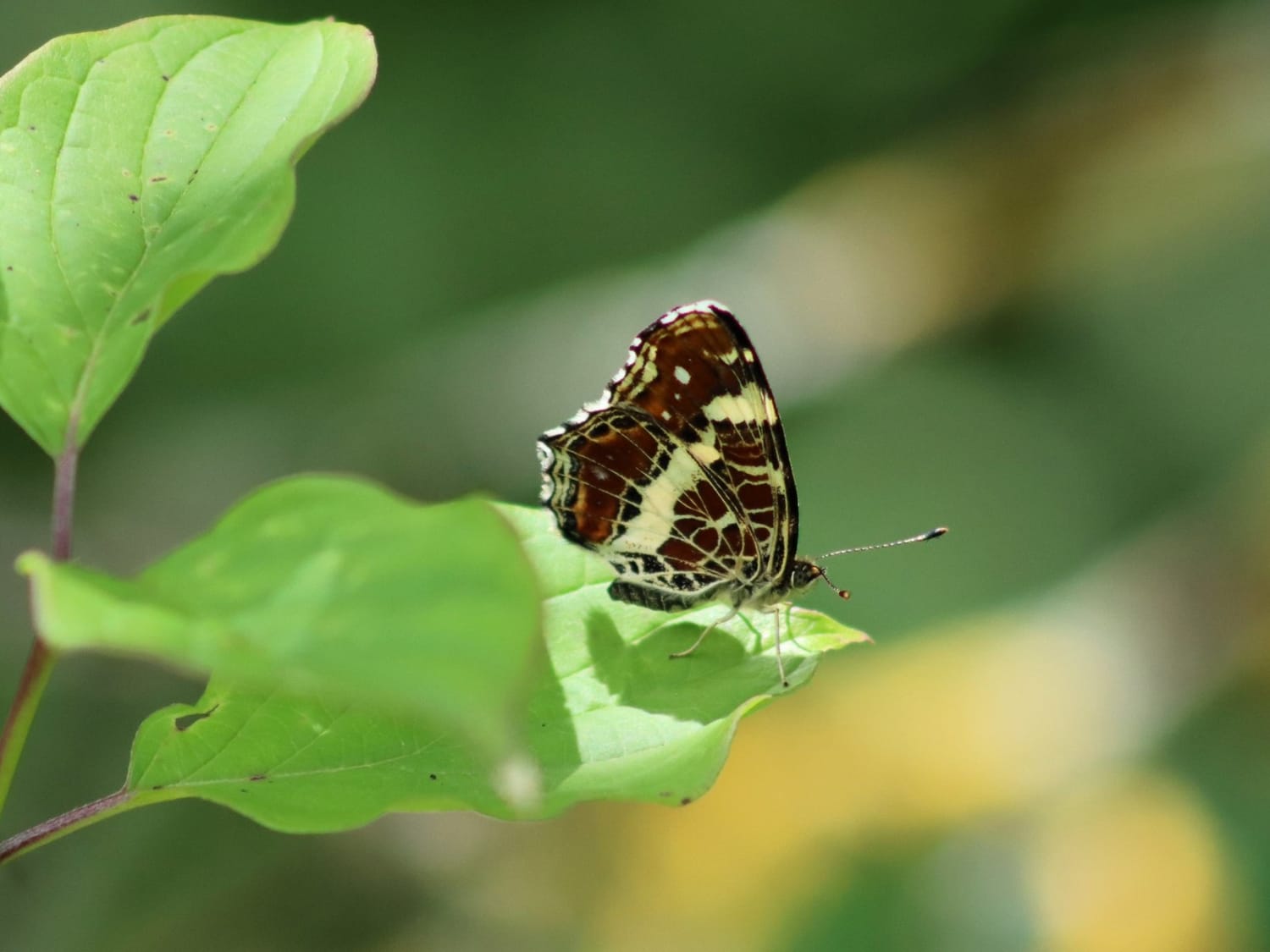
Southern Comma, Lesvos - Philip Precey
Black-winged Stilt, Lesvos - Philip Precey
Wood White, La Brenne - Laurie Jackson
White-tailed Skimmer, La Brenne - Laurie Jackson
Sooty Copper, La Brenne - Laurie Jackson
Migrant Spreadwing, La Brenne - Laurie Jackson
April brought Philip and James to the blue skies of Lesvos, for a bird-filled week including a Great Snipe (a first for Wildlife Travel on the island) at the first site visited, along with ‘specialities’ such as Cinereous Bunting and Krüper’s Nuthatch. Black-headed Buntings dotted the tree tops, Short-toed Eagles flew by snake in talon (as they do), and after dark the ‘boops’ of Scops Owl joined the chorus of Nightingales and frogs. Time in the chestnut forests provided a spectacular display of wildflowers, and a range of insects were enjoyed along the way, including the impressive Spoon-winged Lacewing.
In May Laurie led our first train trip of the year to La Brenne, the ‘land of a thousand lakes’, for a wonderful week of orchids, butterflies and dragonflies, to a backdrop of Golden Oriole, Turtle Dove and Nightingale song. Highlights of our week included whirring Natterjack Toads, Giant Peacock Moths, the sight (and entertaining sound) of a large heronry, and an impressive swarm of Tongue Orchids.
Kieron picked up the train baton, heading further south to the limestone causses of the Cevennes, where carpets of wildflowers lay in wait, including stunning displays of Military Orchid, Burnt-tip Orchid and Poet’s Narcissus. Our week included a visit to the breeding project for Przewalski’s Horse, which has helped strengthen populations in Mongolia and Russia, and a chance to explore the narrow lanes of a Templar village.
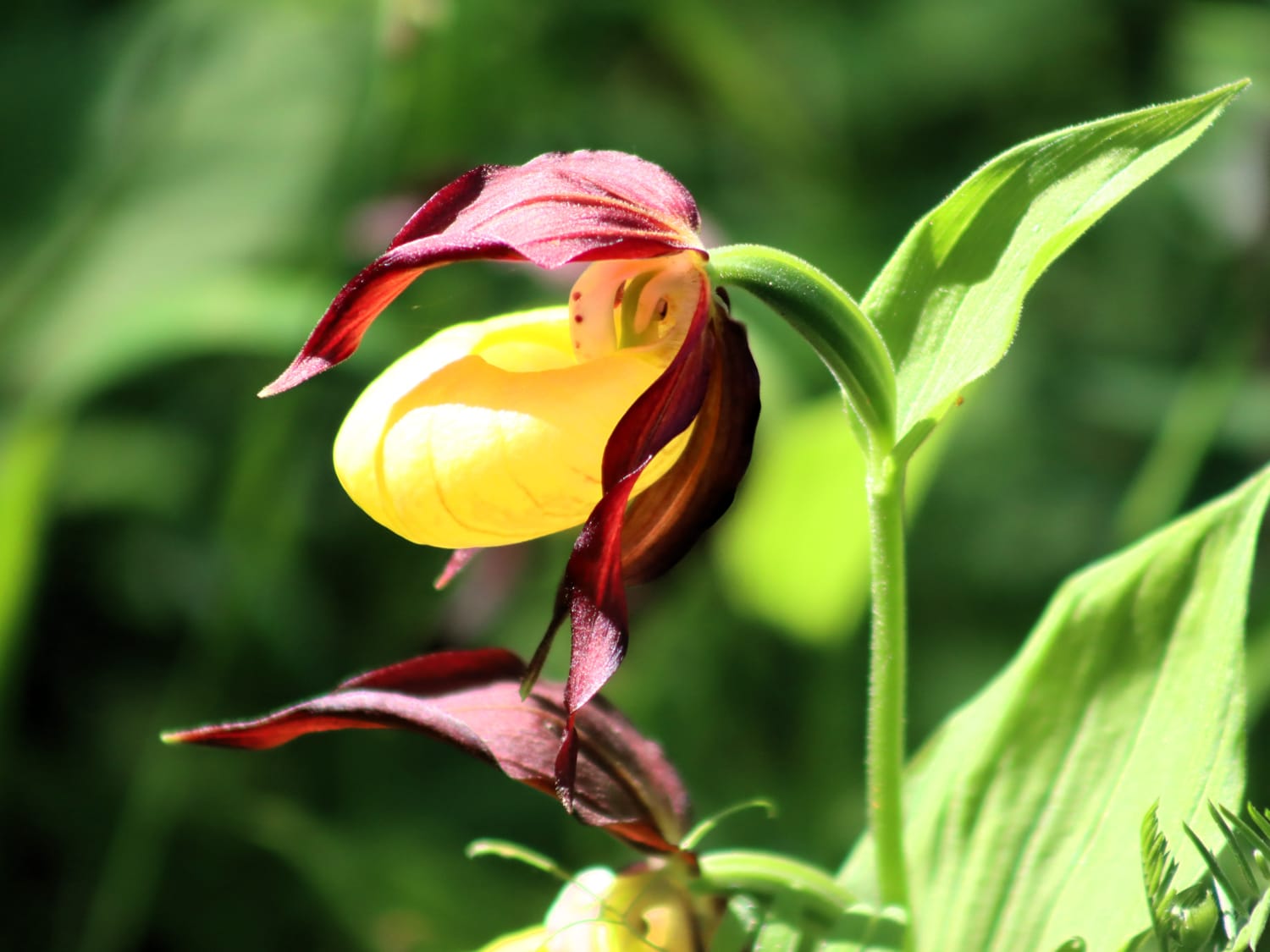
At the end of May, Laurie took a group of travellers to Estonia to explore the patchwork of woodland, peat bogs and meadows that make up the west of the country and the island of Saaremaa. There were plenty of interesting plants including Twinflower, May Lily, Toothwort and Bog-rosemary, and ‘northern specialities’ such as Ruby Whiteface, Northern Chequered Skipper and Cranberry Blue. We were wowed by an unbelievable abundance of Lady’s Slipper, watched a Ural Owl prowling the half-light and enjoyed an evening on the river, complete with tail-slapping Beavers!
Scarce Fritillary, Estonia - Laurie Jackson
Lady's-slipper, Estonia - Laurie Jackson
Bird's-eye Primrose, Estonia - Laurie Jackson
Ignatsi, Estonia - Laurie Jackson
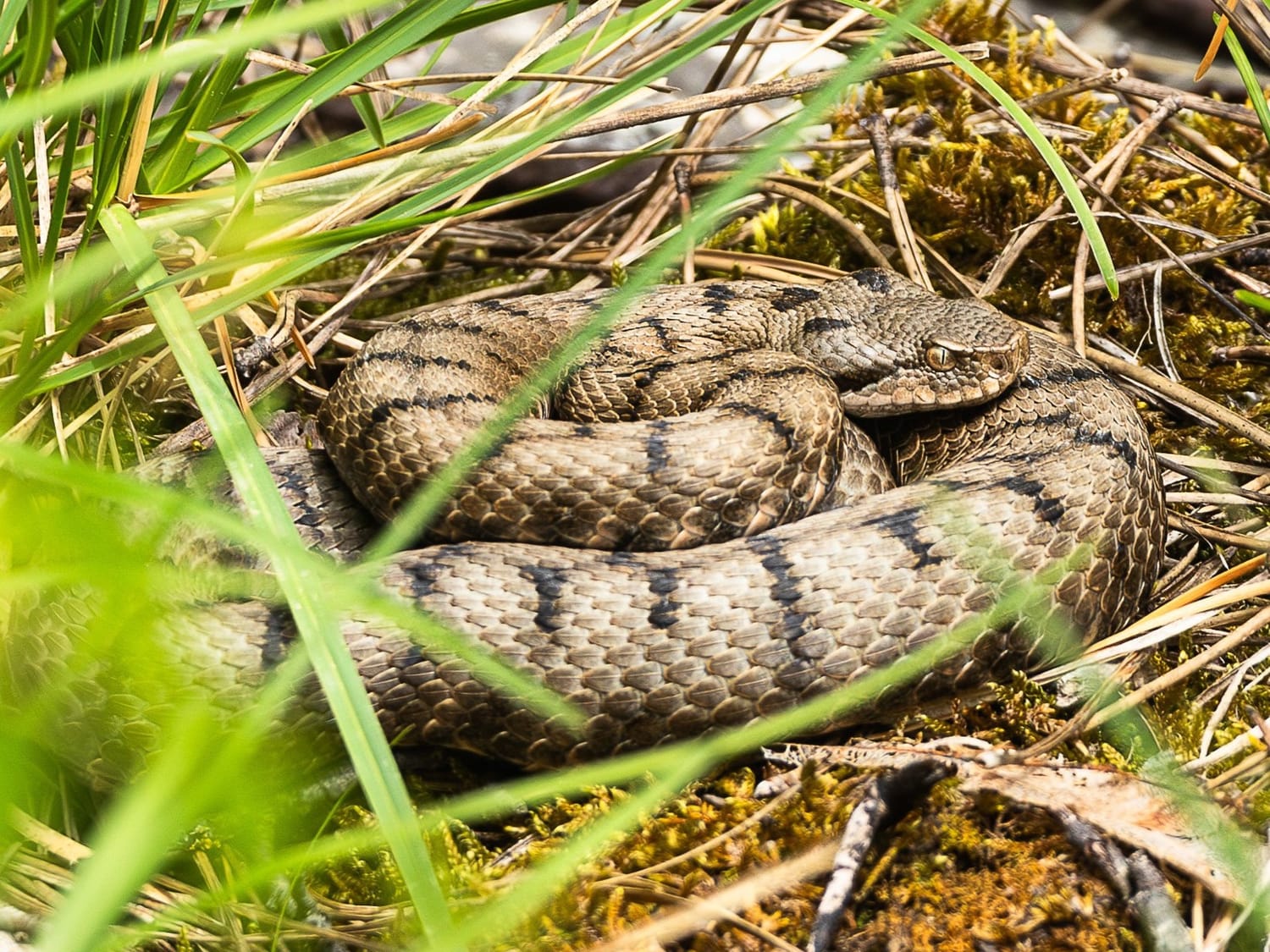
Asp Viper, Vercors - Sarah Lambert
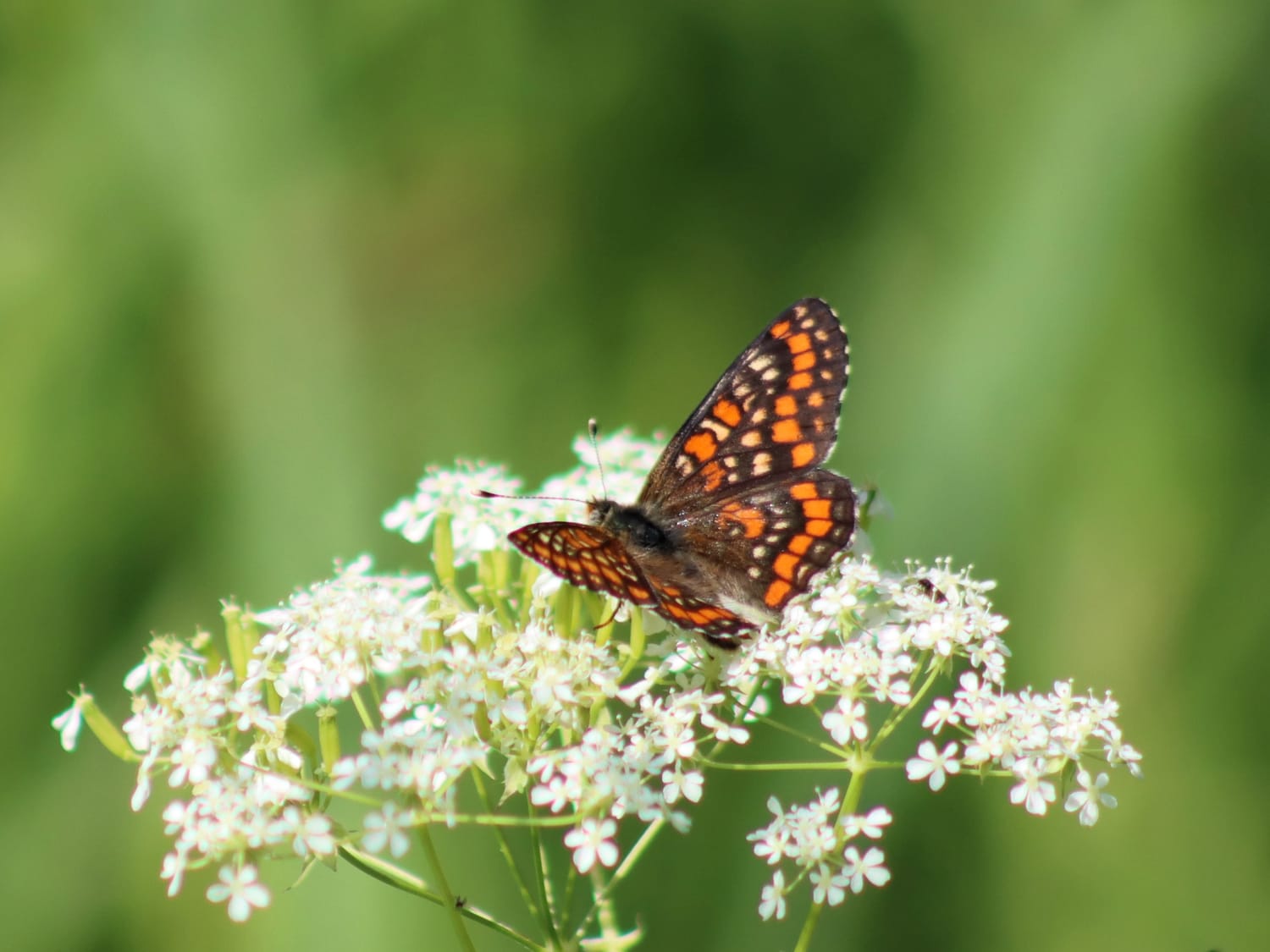
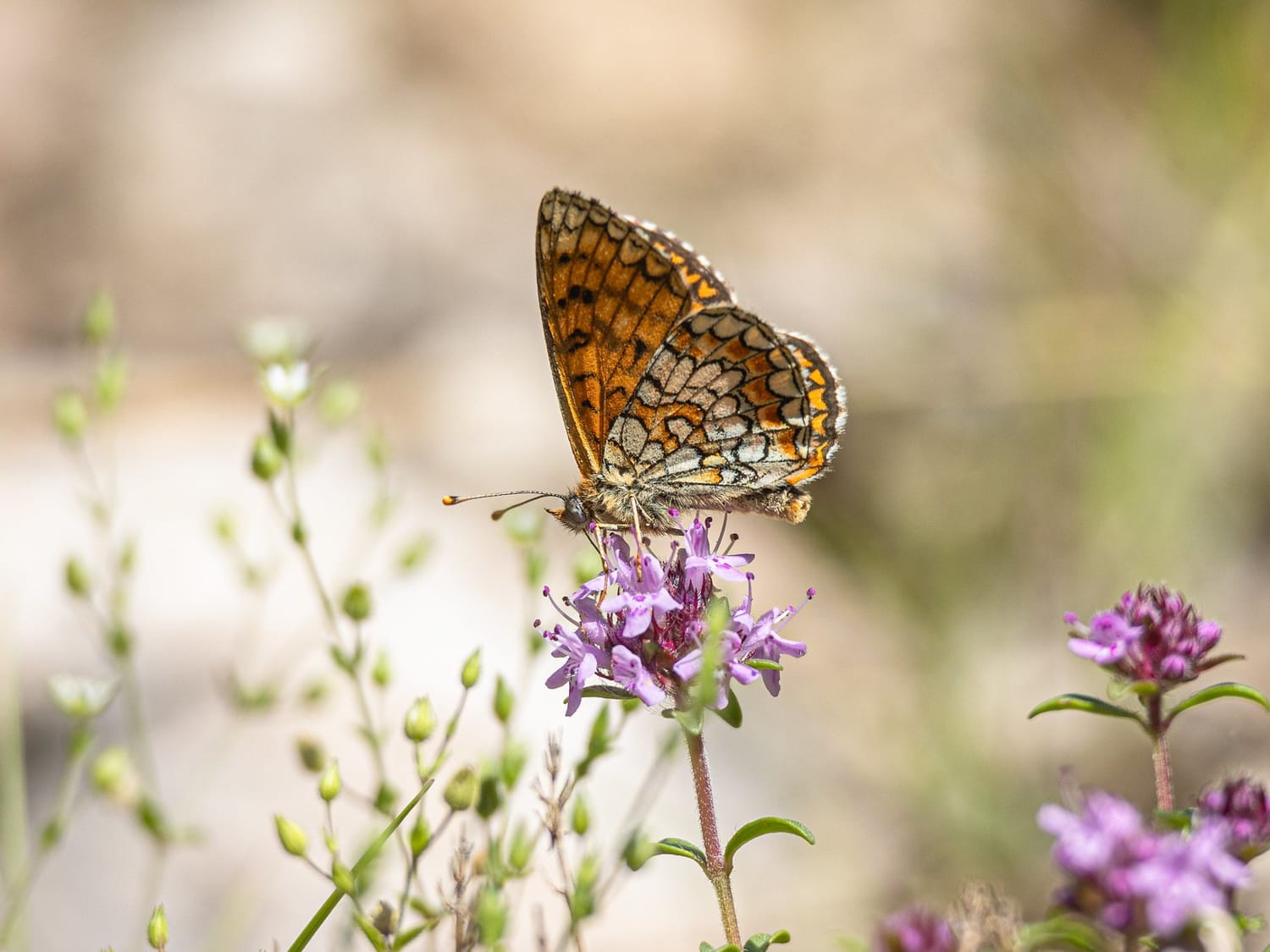
Heath Fritillary, Vercors - Sarah Lambert
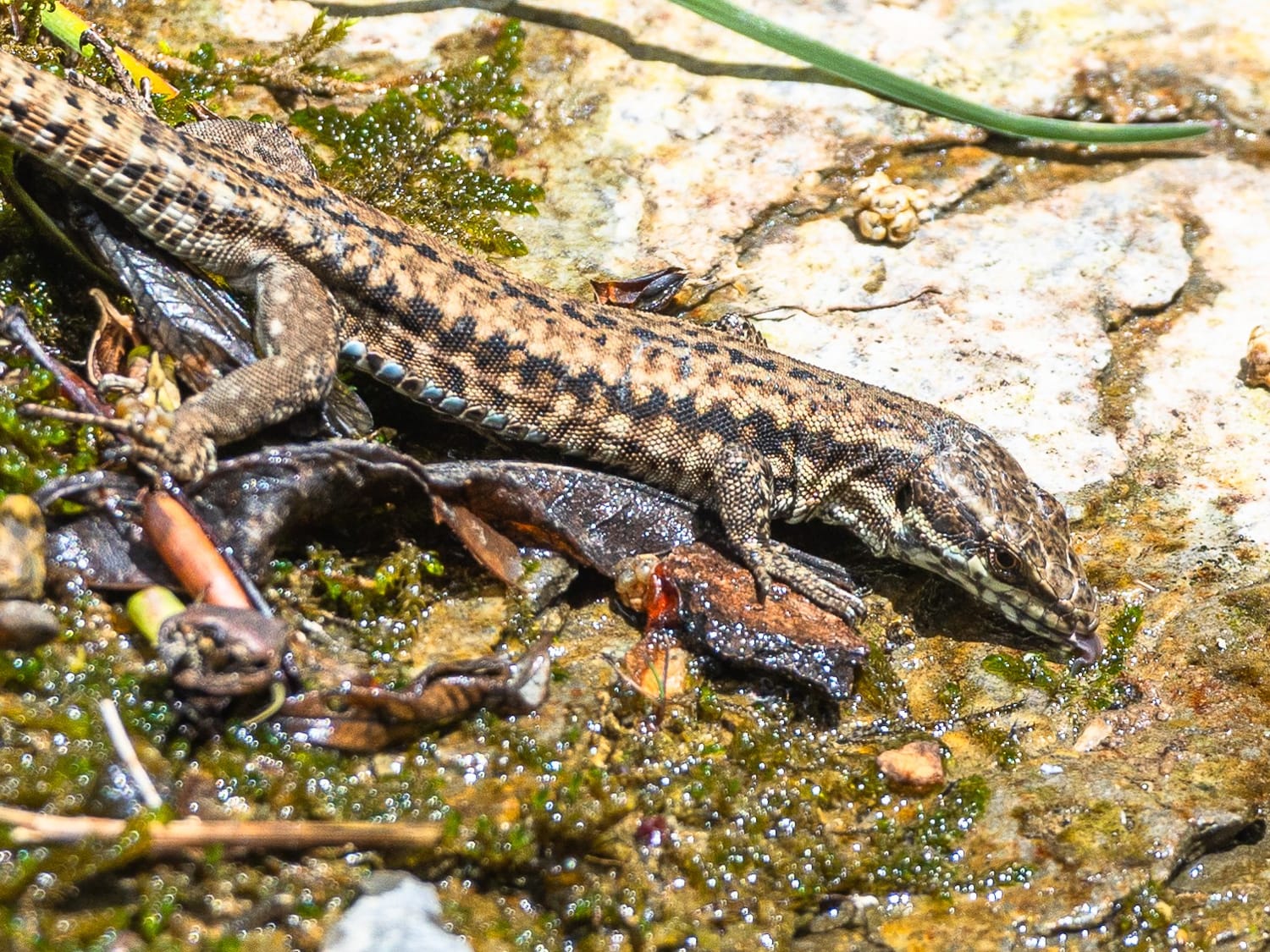
Wall Lizard, Vercors - Sarah Lambert
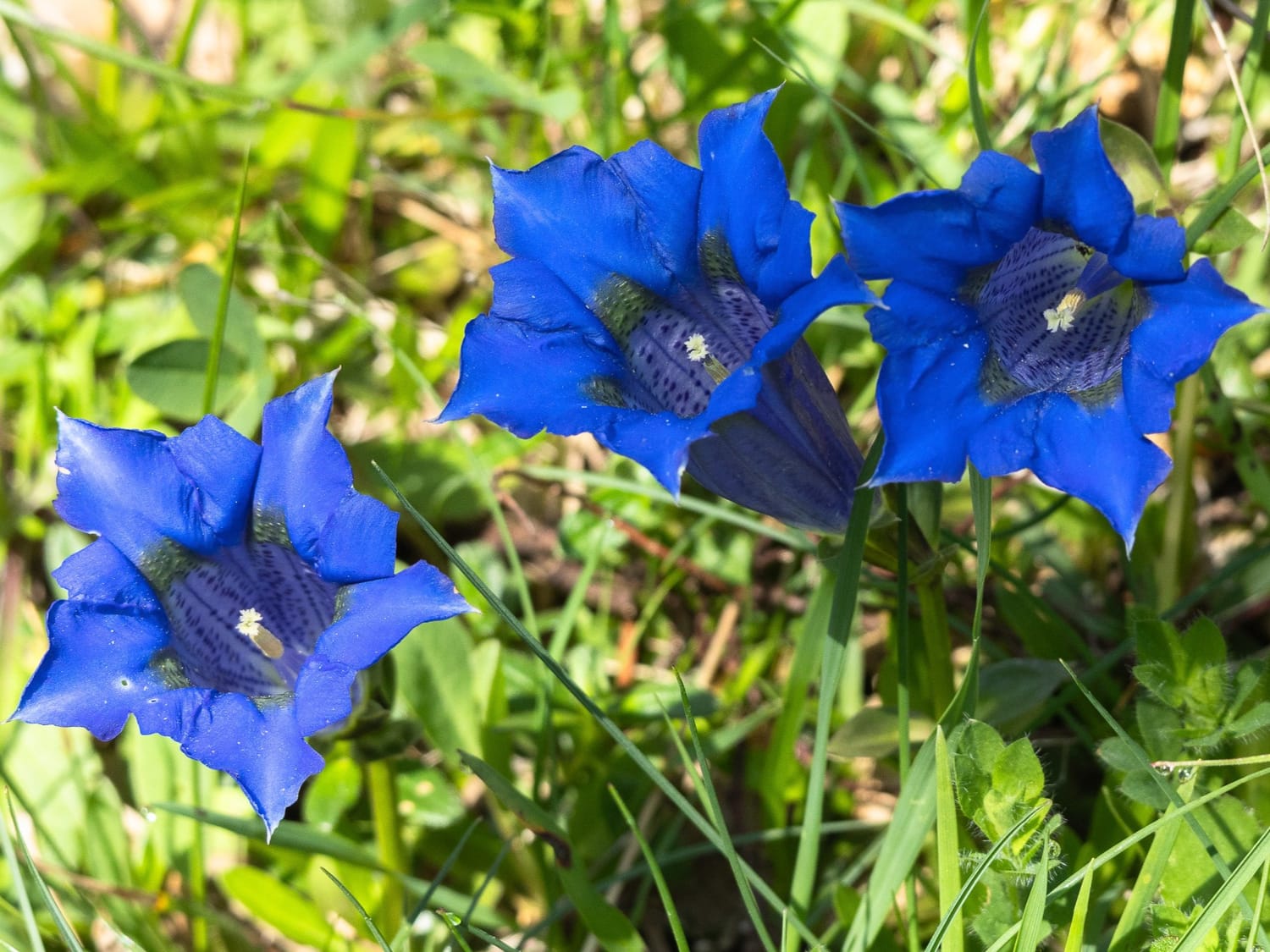
Narrow-leaved Gentian, Vercors - Sarah Lambert
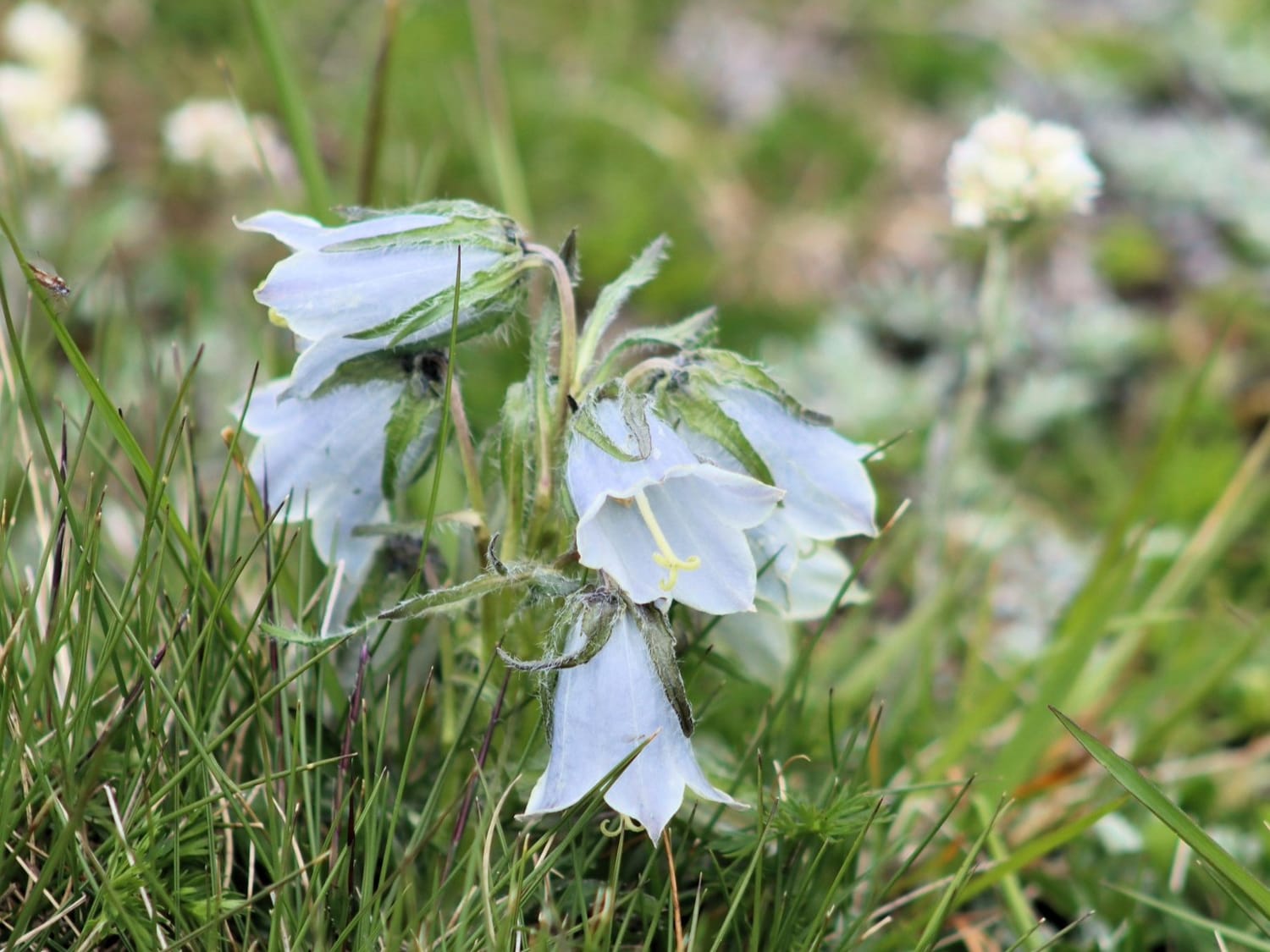
Alpine Bellflower, Transylvania - Laurie Jackson
Map, Transylvania - Laurie Jackson
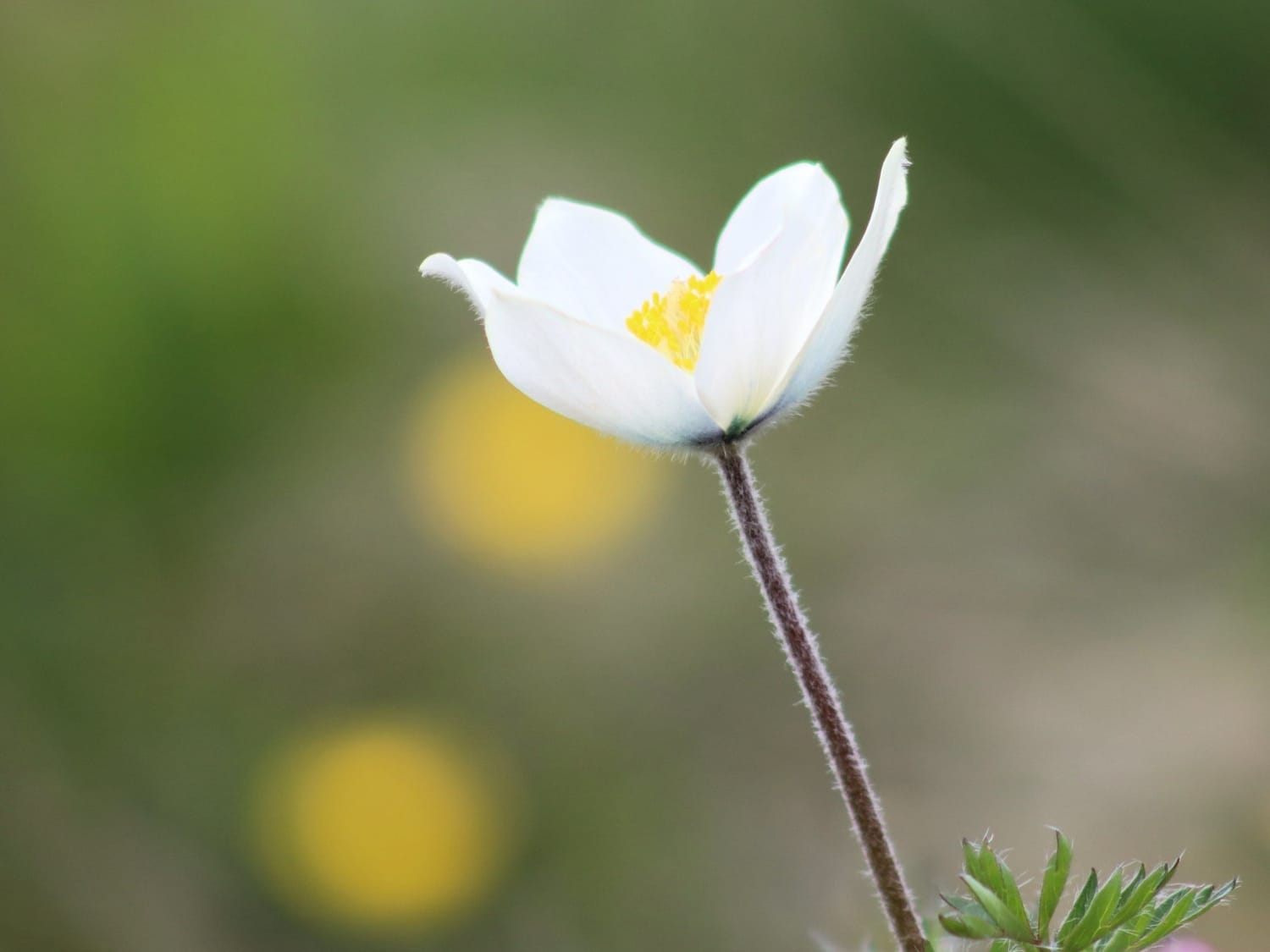
Alpine Pasqueflower, Transylvania - Laurie Jackson
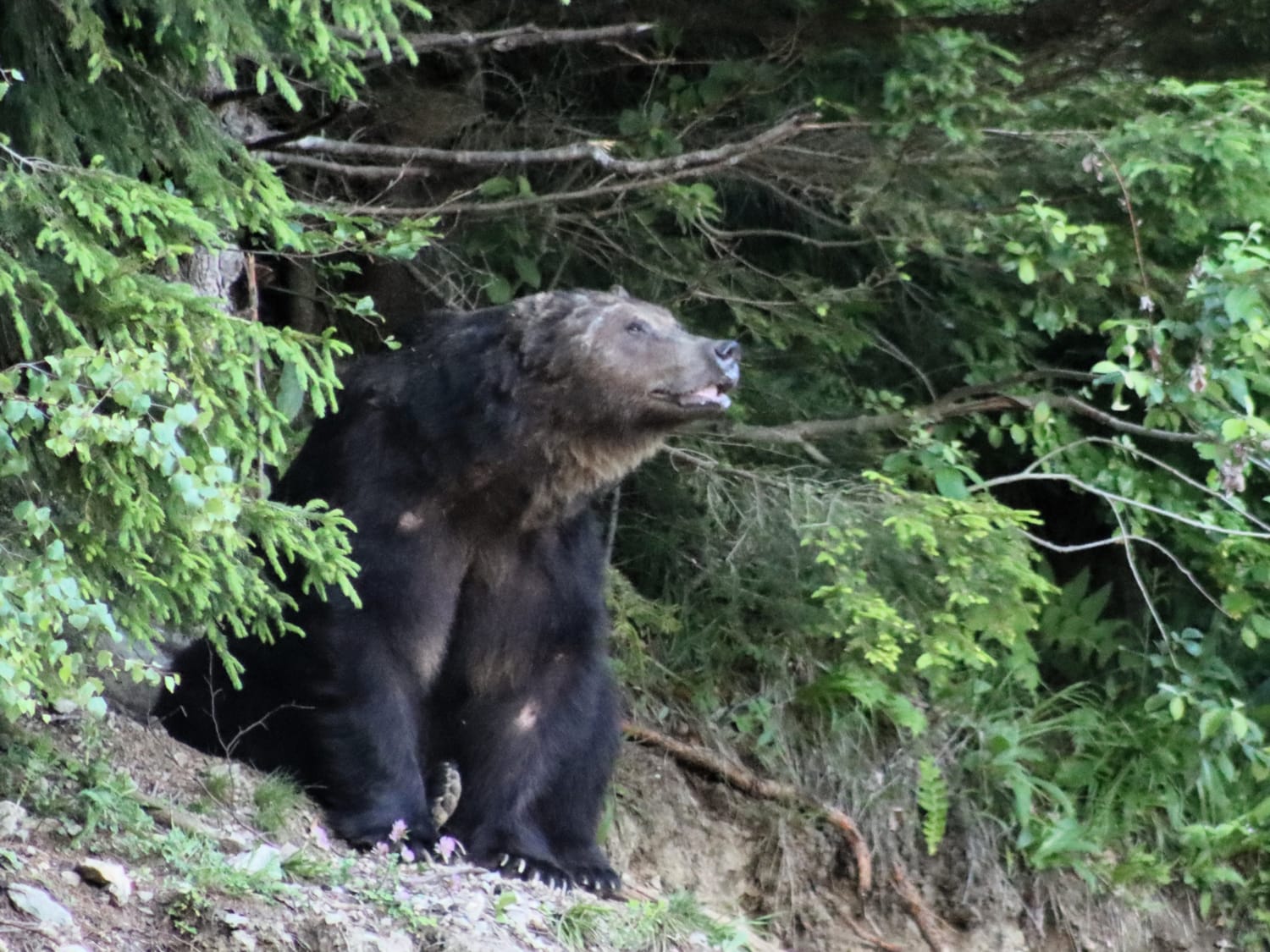
Brown Bear, Romania - Laurie Jackson
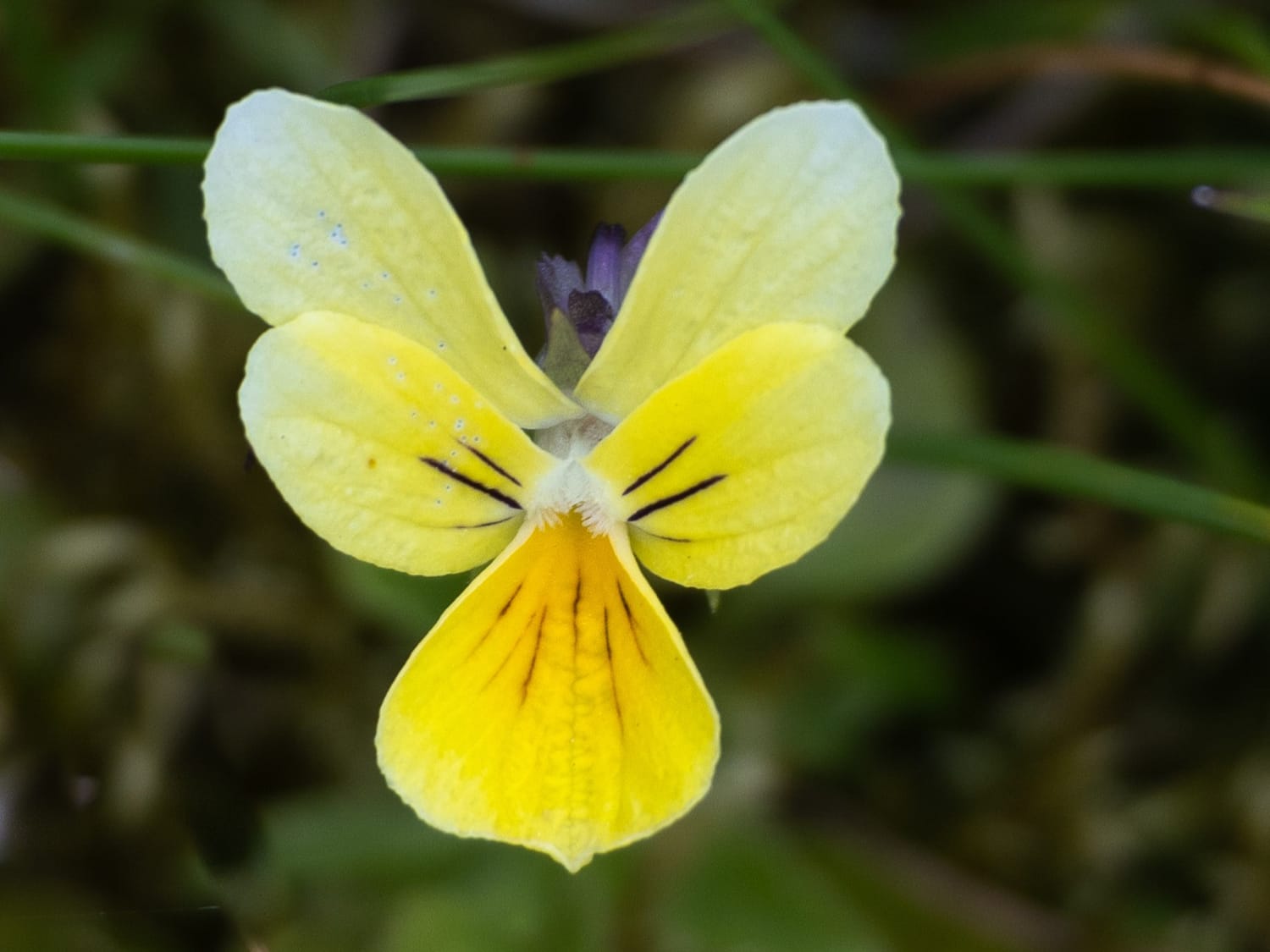
Mountain Pansy, Derbyshire - Philip Precey
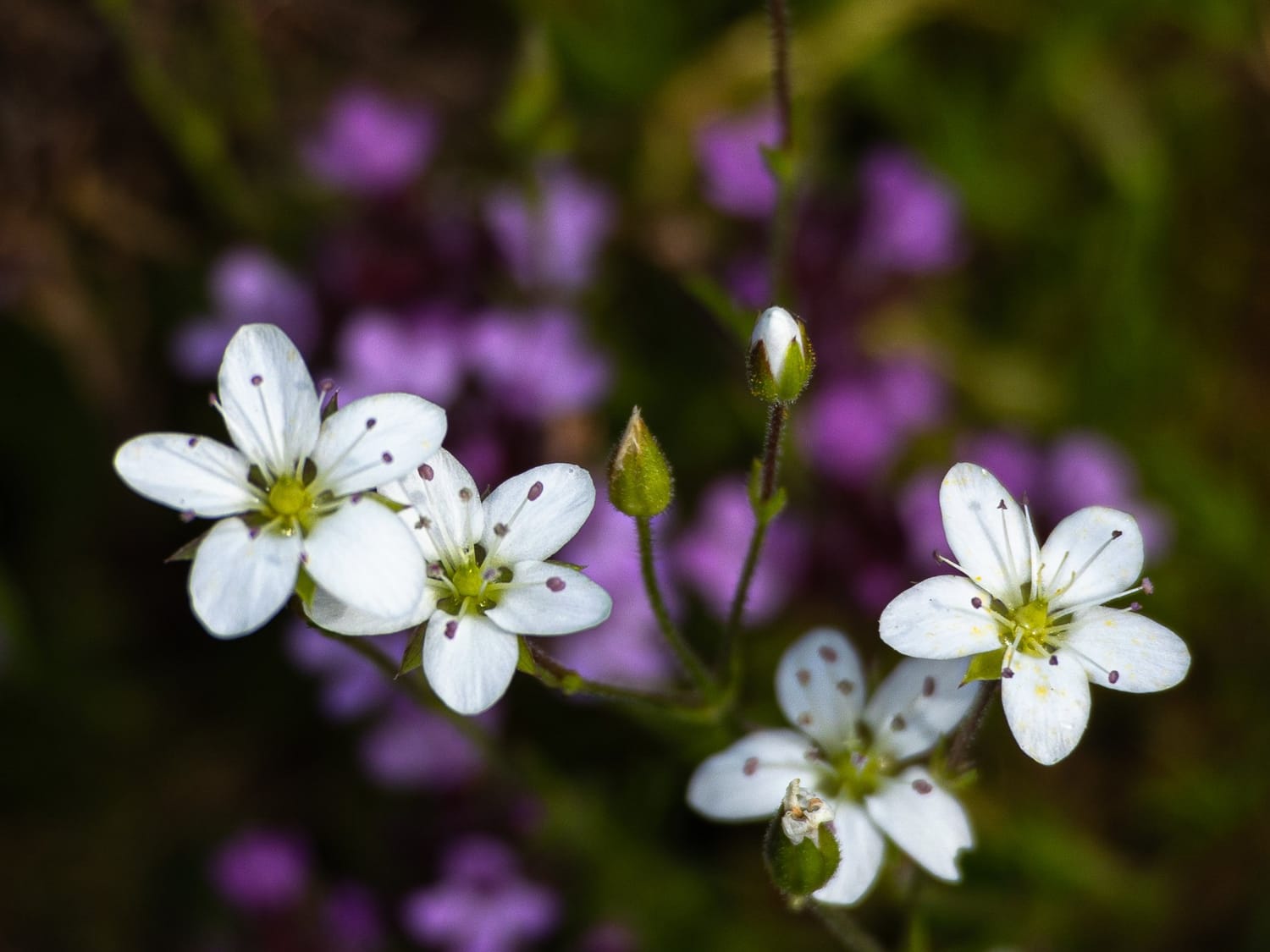
Spring Sandwort, Derbyshire - Philip Precey
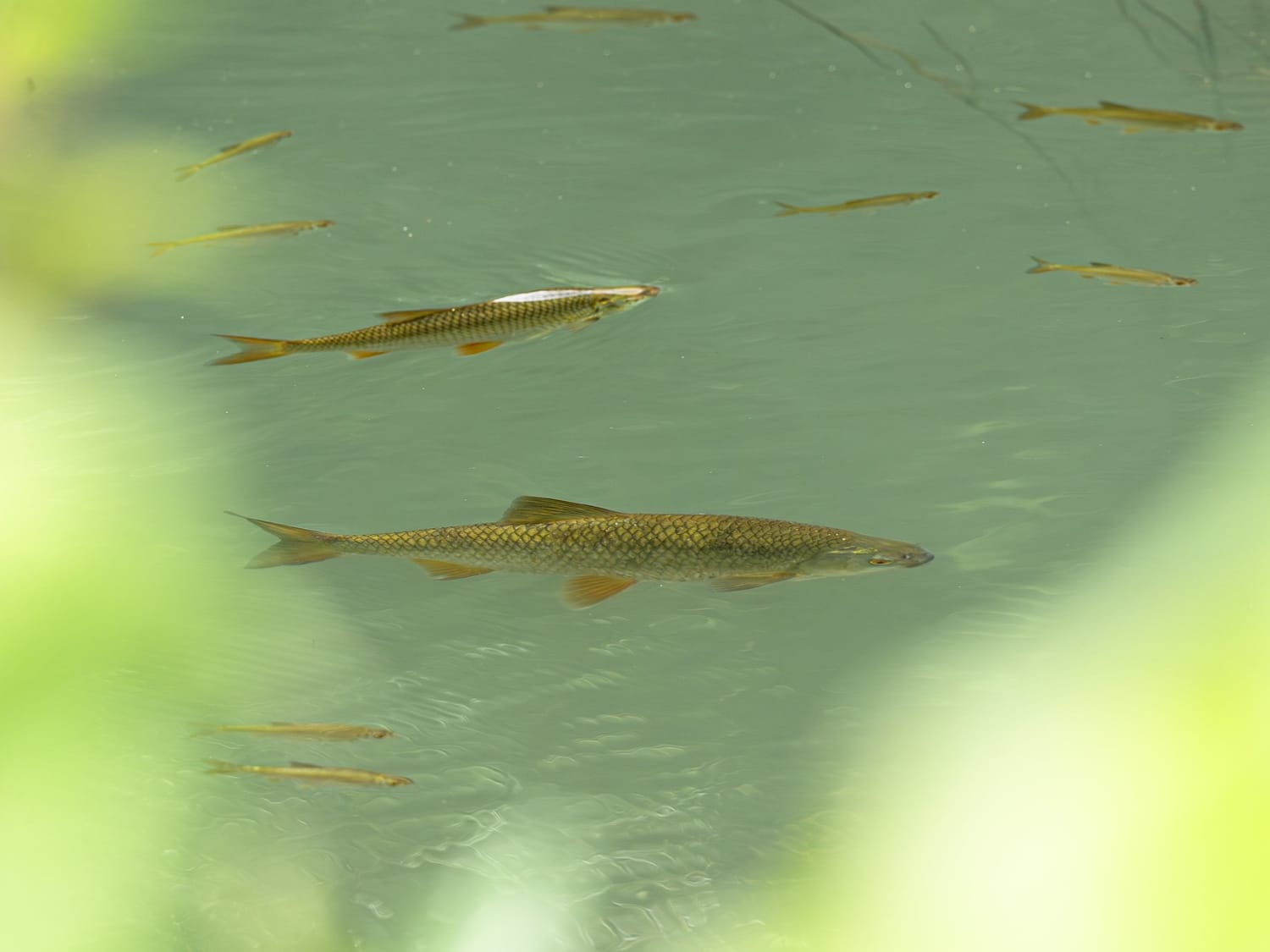
Roach, Derbyshire - Philip Precey
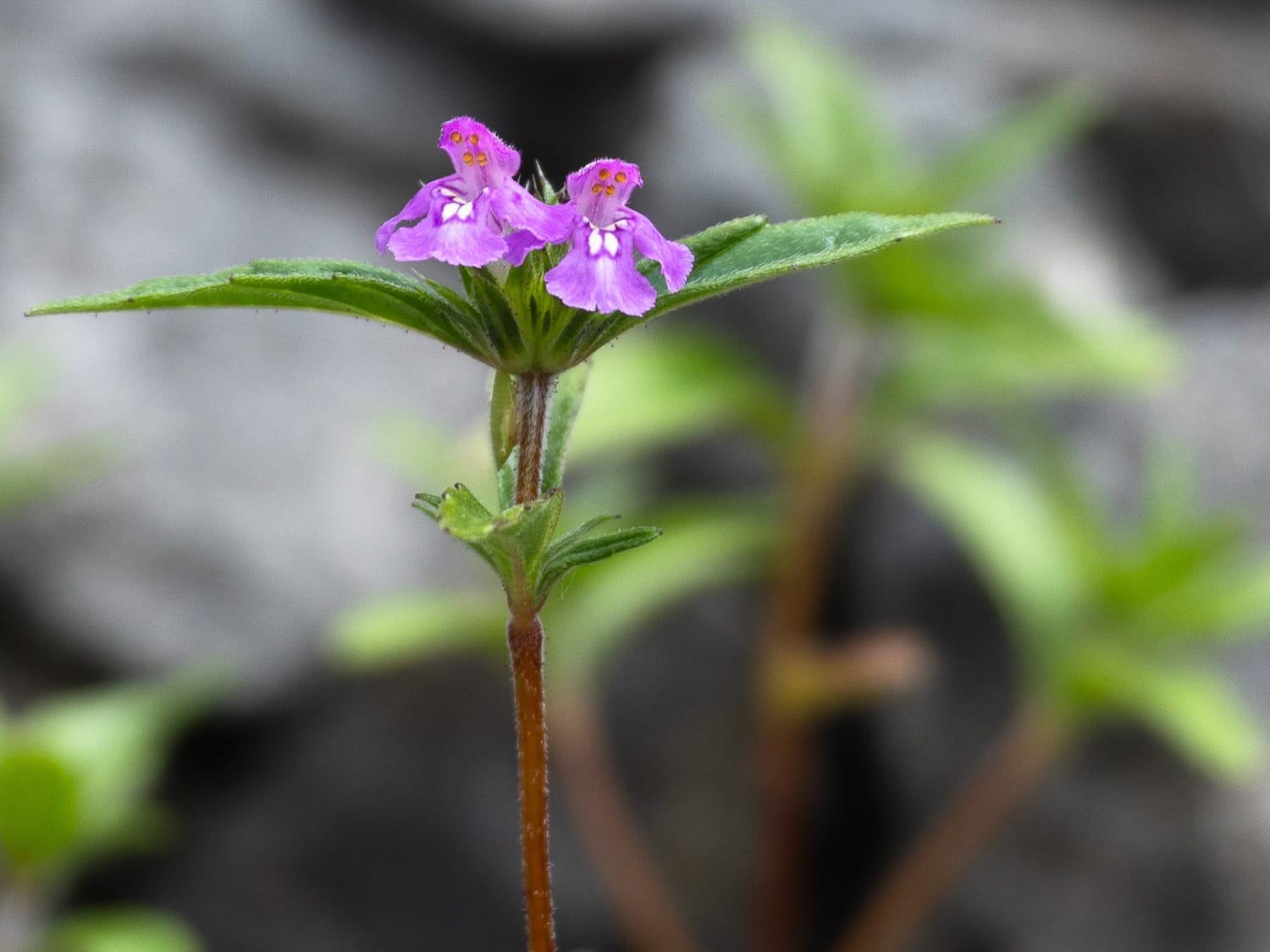
Red Hemp-nettle, Derbyshire - Philip Precey
In June, Phil and Sarah were exploring the French Prealps from the picturesque base of Les Nonières on our regular visit to the Vercors. Orchids and butterflies were on top form, resplendent subalpine meadows wowed, along with cruising Lammergeier, whistling Alpine Marmots and a beautifully-marked Asp Viper basking in the sun.
There were more botanical riches in the middle of the month with Laurie as we visited the hay meadows of Transylvania and the Southern Carpathians. A visit to a hide during our time in Romania brought us close to one of Europe’s key predators, the Brown Bear, including a gnarled male who had definitely seen some things in his time.
Philip and Sarah closed the month closer to home, with our short break in Derbyshire and an opportunity to explore the interesting Calaminarian grasslands of the old lead mines and the limestone grassland of Dovedale.
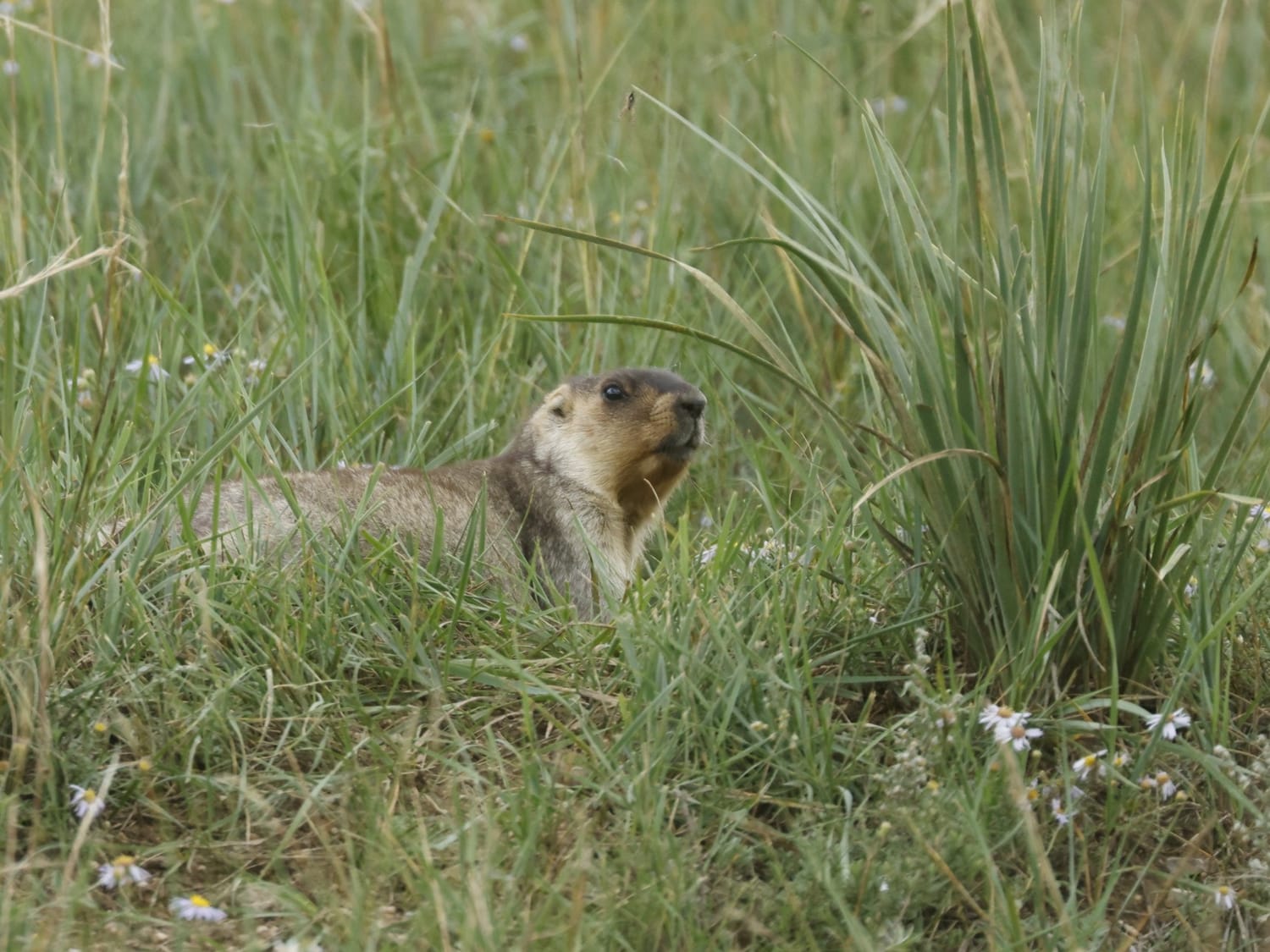
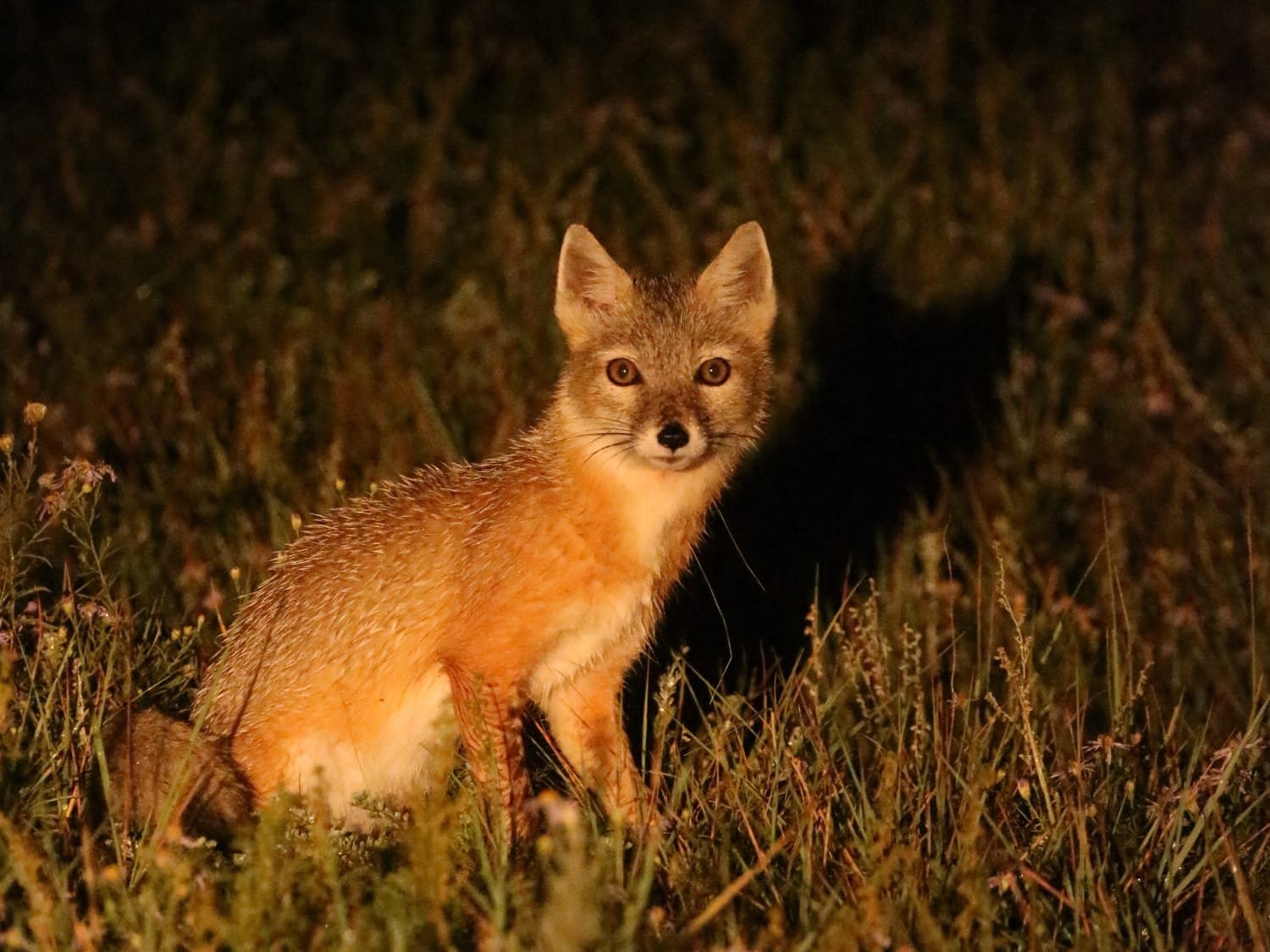
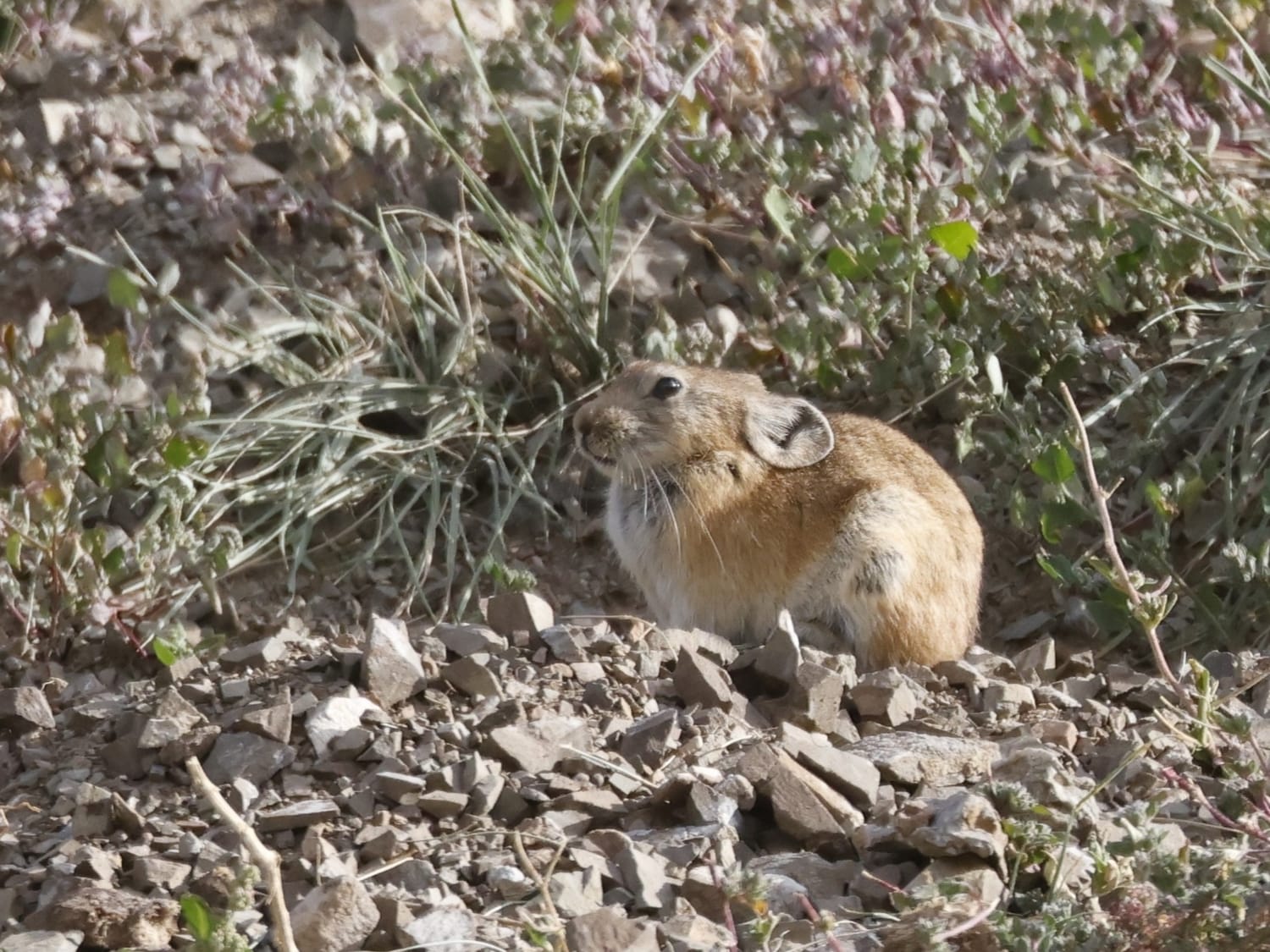
August took Philip back to Mongolia for a welcoming committee of soaring Demoiselle Cranes, Black-eared Kites and Red-billed Choughs. The vast Mongolian steppe offered up herds of Przewalski’s Horses and Mongolian Gazelles, alongside characterful Tarbagan Marmots, Mongolian Saiga and several wolf encounters. There was of course an outstanding array of birds including Saker Falcon, Pallas’s Sandgrouse, Swan Geese, Pallas’s Fish Eagle and Mongolian Ground-jays.
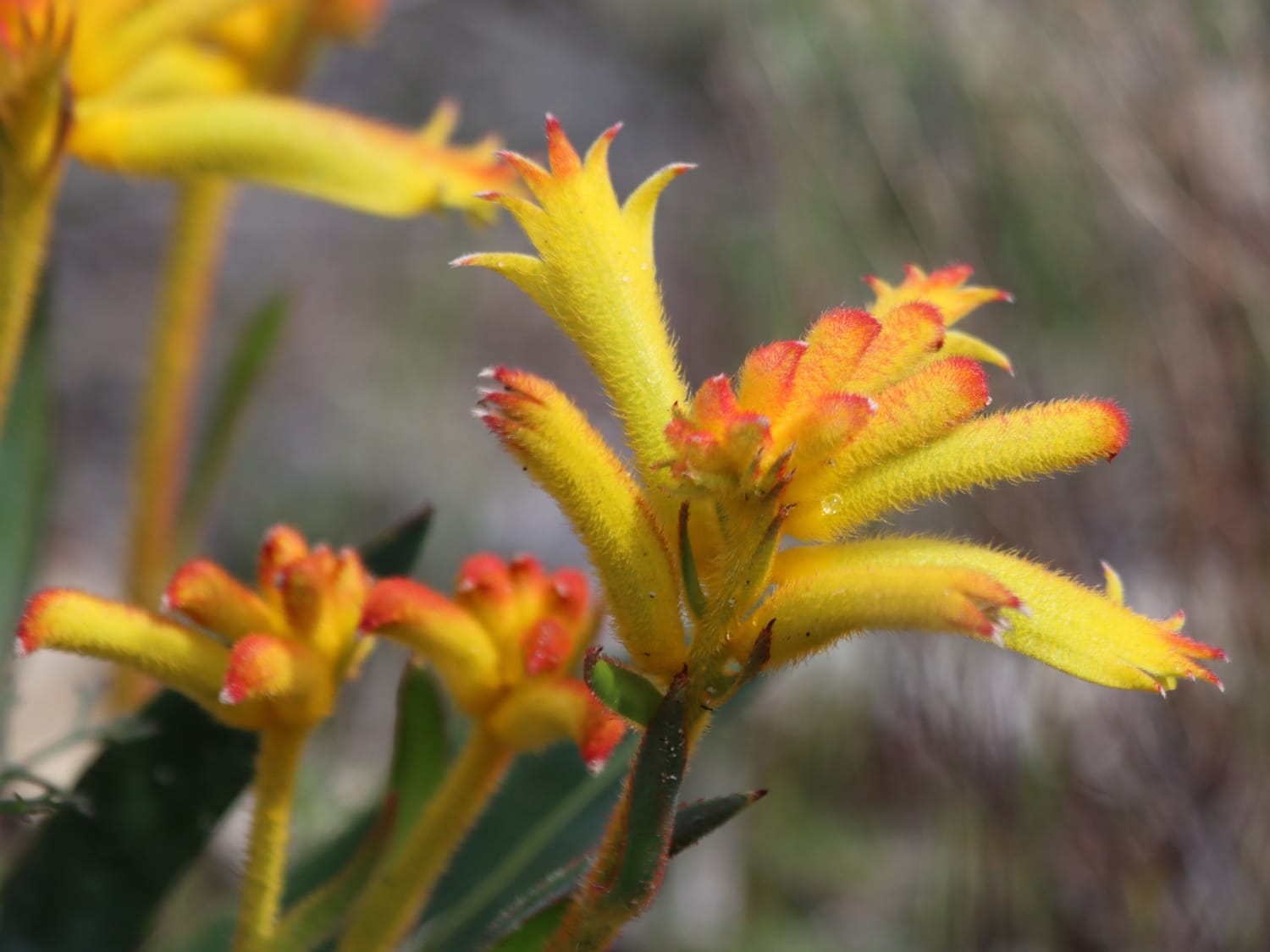
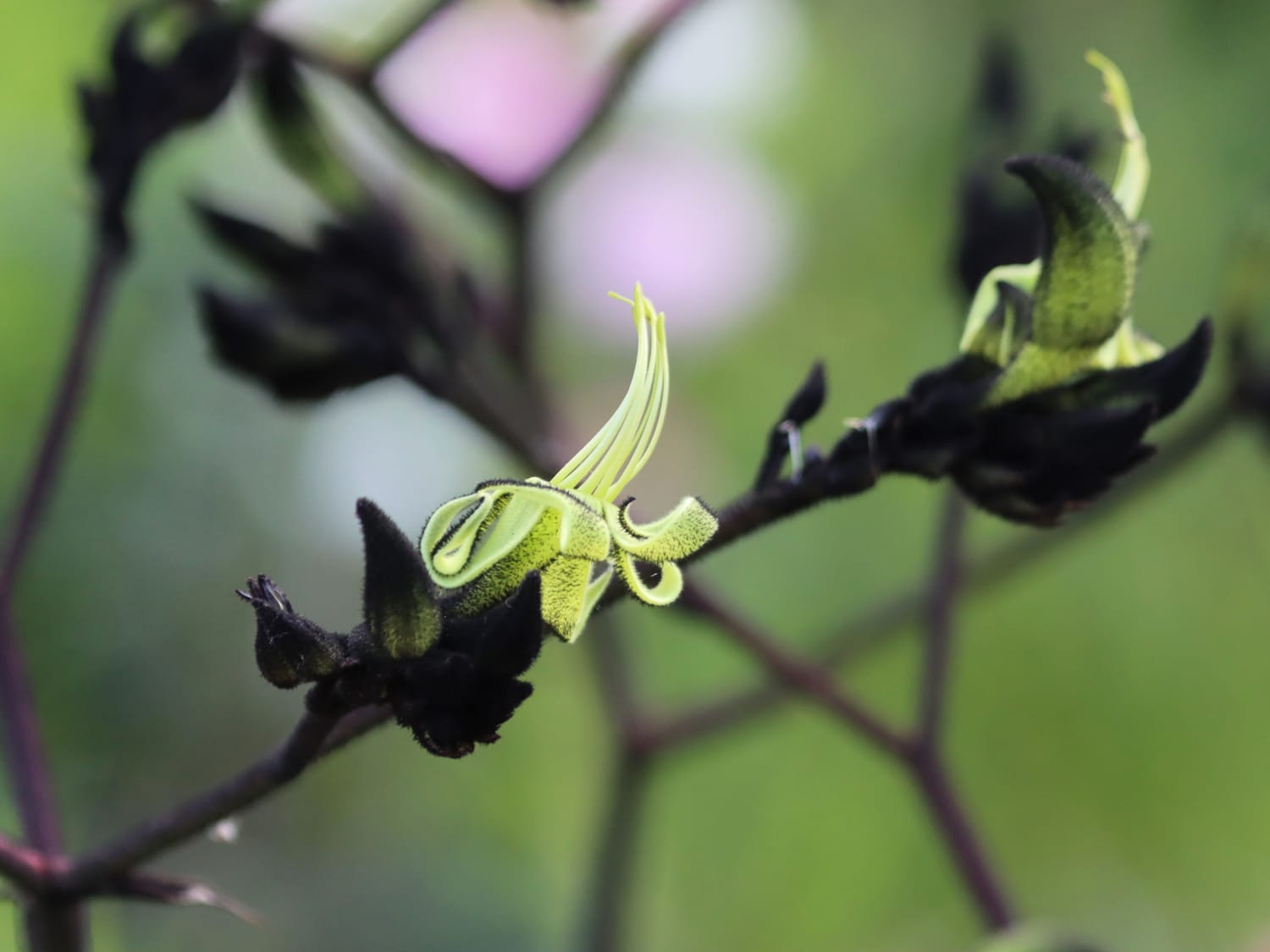
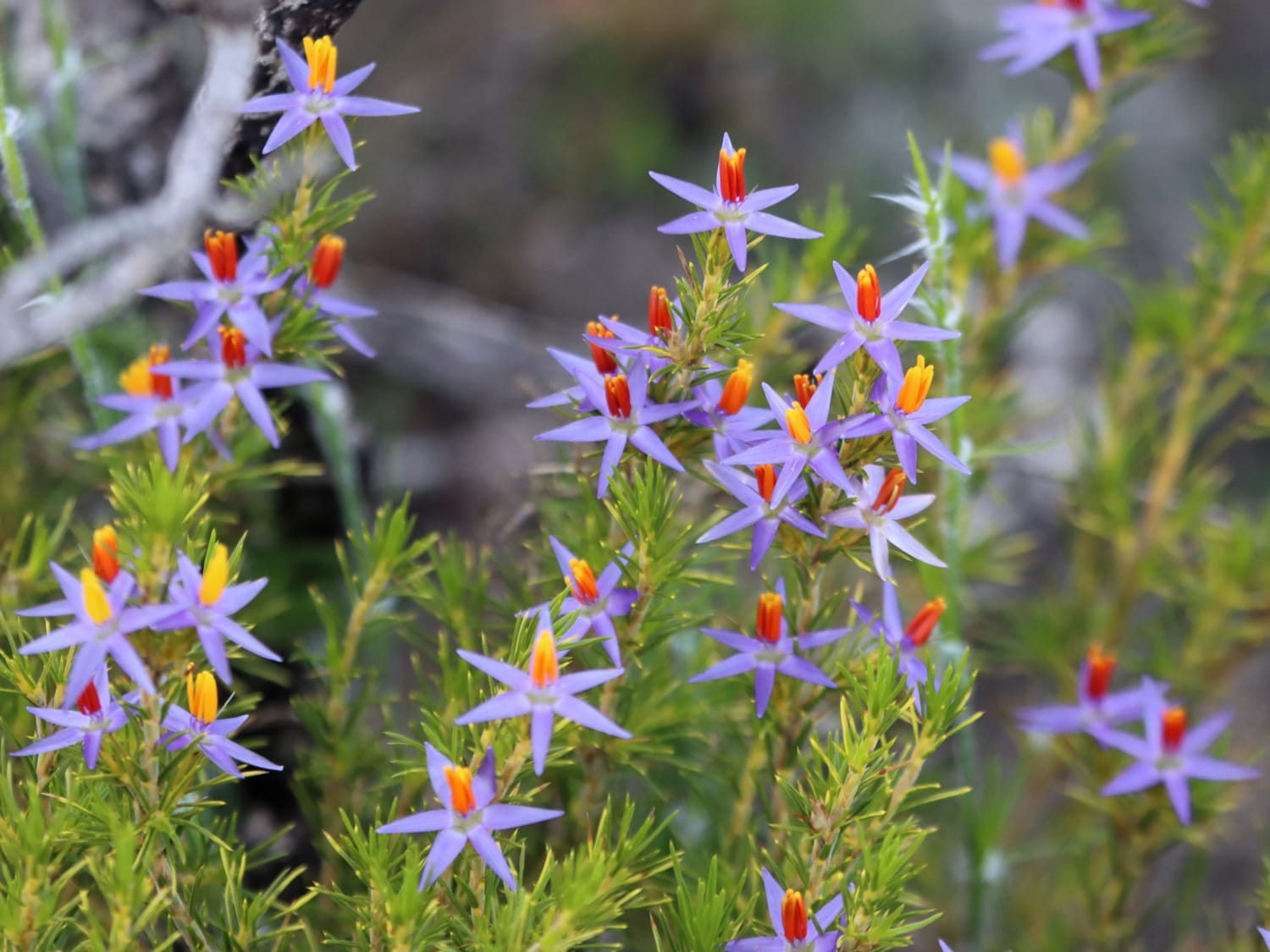
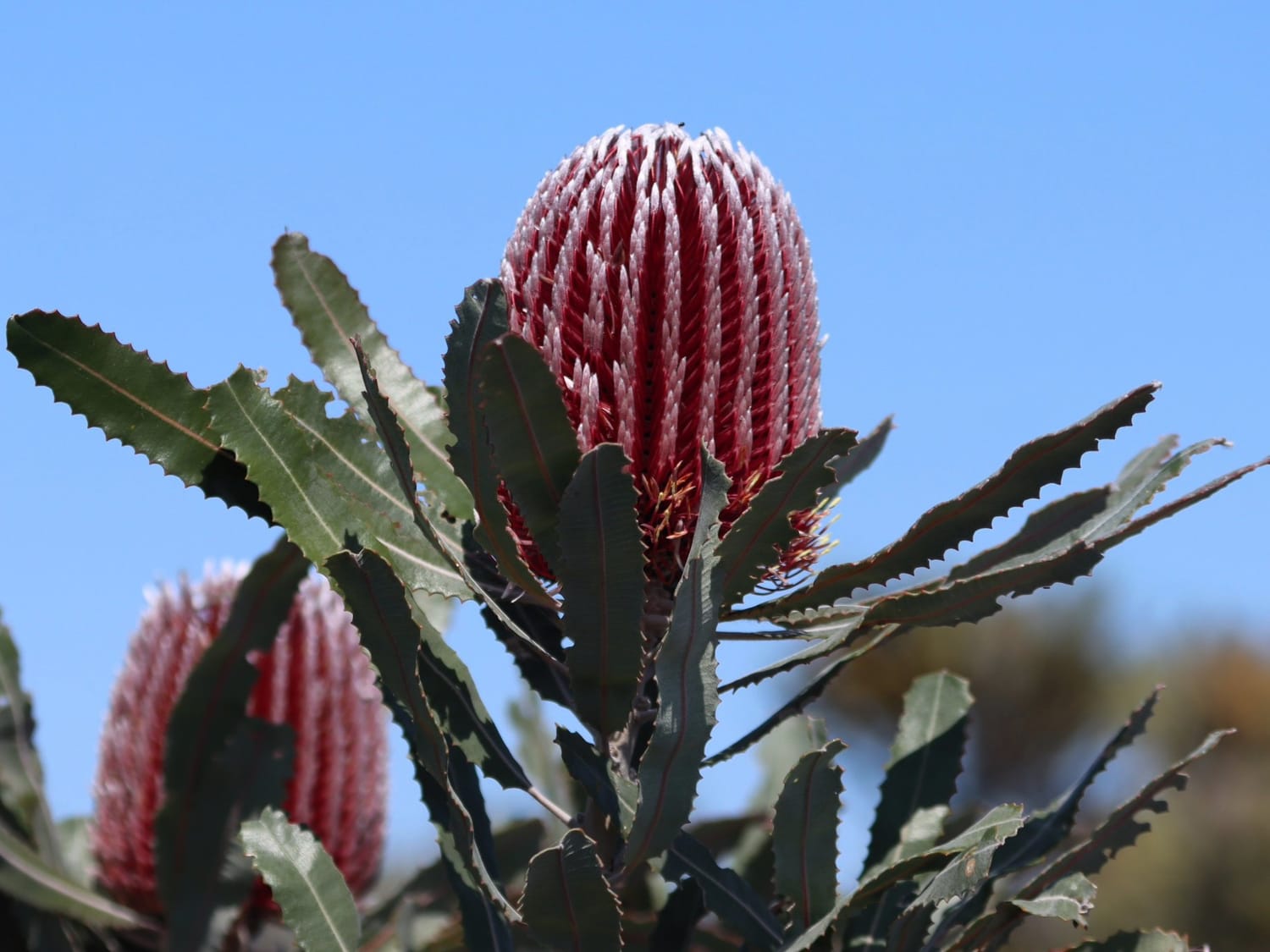
Laurie headed ‘down under’ in September for a visit to the wildflower heaven of Western Australia. From Kalbarri to Point Ann our group was treated to all manor of bottlebrushes, candlesticks, toothbrushes, pokers and paws, many unique to their own little corner of the bush. Highlights included the colourful Qualup Bells and gothic Black Kangaroo Paw, along with the diversity of delicate spider orchids, a mat of Albany Pitcher Plant and masses of Wreath Leschenaultia strewn across the sandy ground.
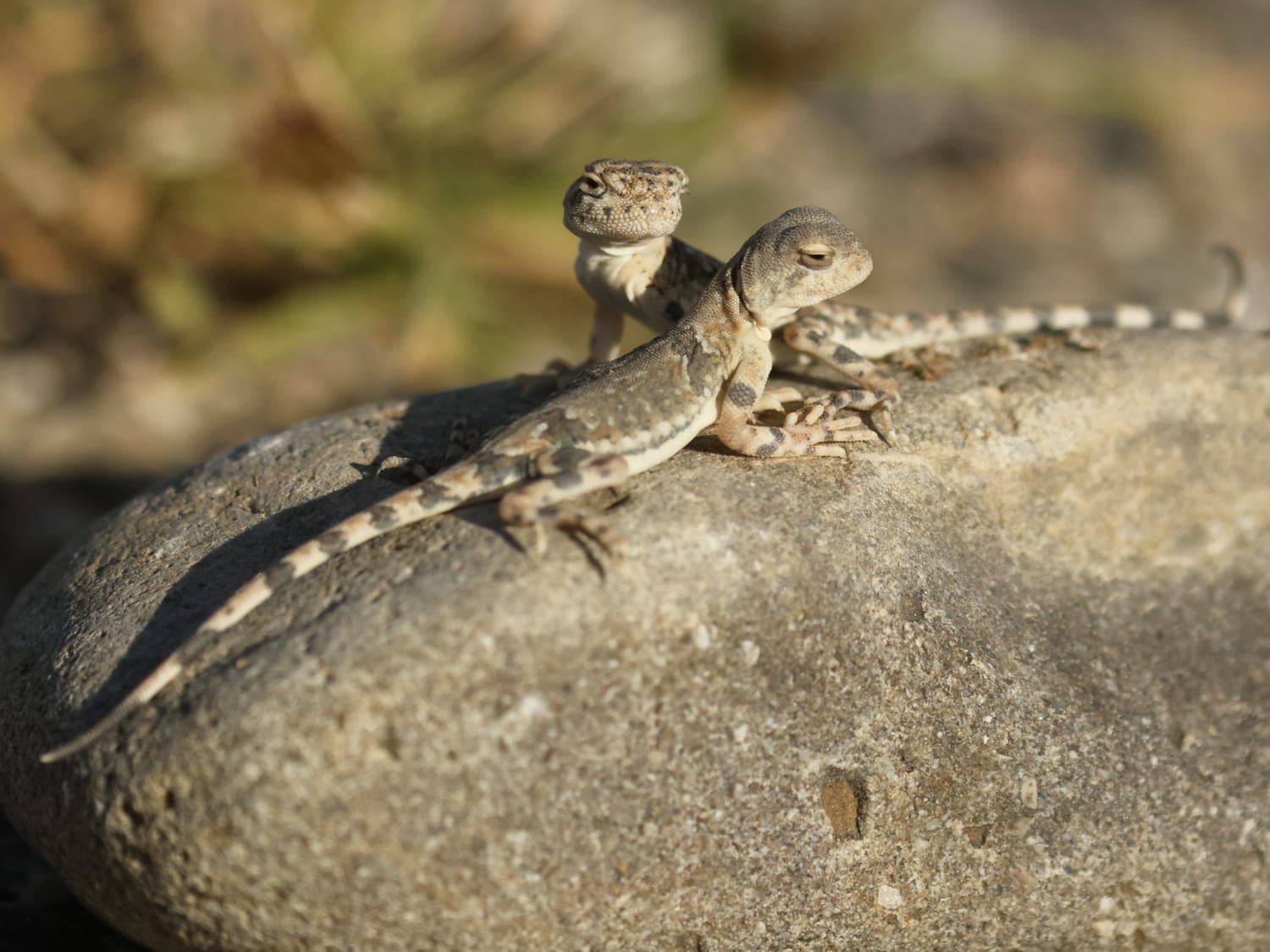
Tuva Toad-headed Agama, Mongolia - Philip Precey
Tarbagan Marmot, Mongolia - Philip Precey
Corsac Fox, Mongolia - Philip Precey
Pallas's Pika, Mongolia - Philip Precey
Cat's Paw, Australia - Laurie Jackson
Black Kangaroo Paw, Australia - Laurie Jackson
Blue Tinsel Lily, Australia - Laurie Jackson
Firewood Banksia, Australia - Laurie Jackson
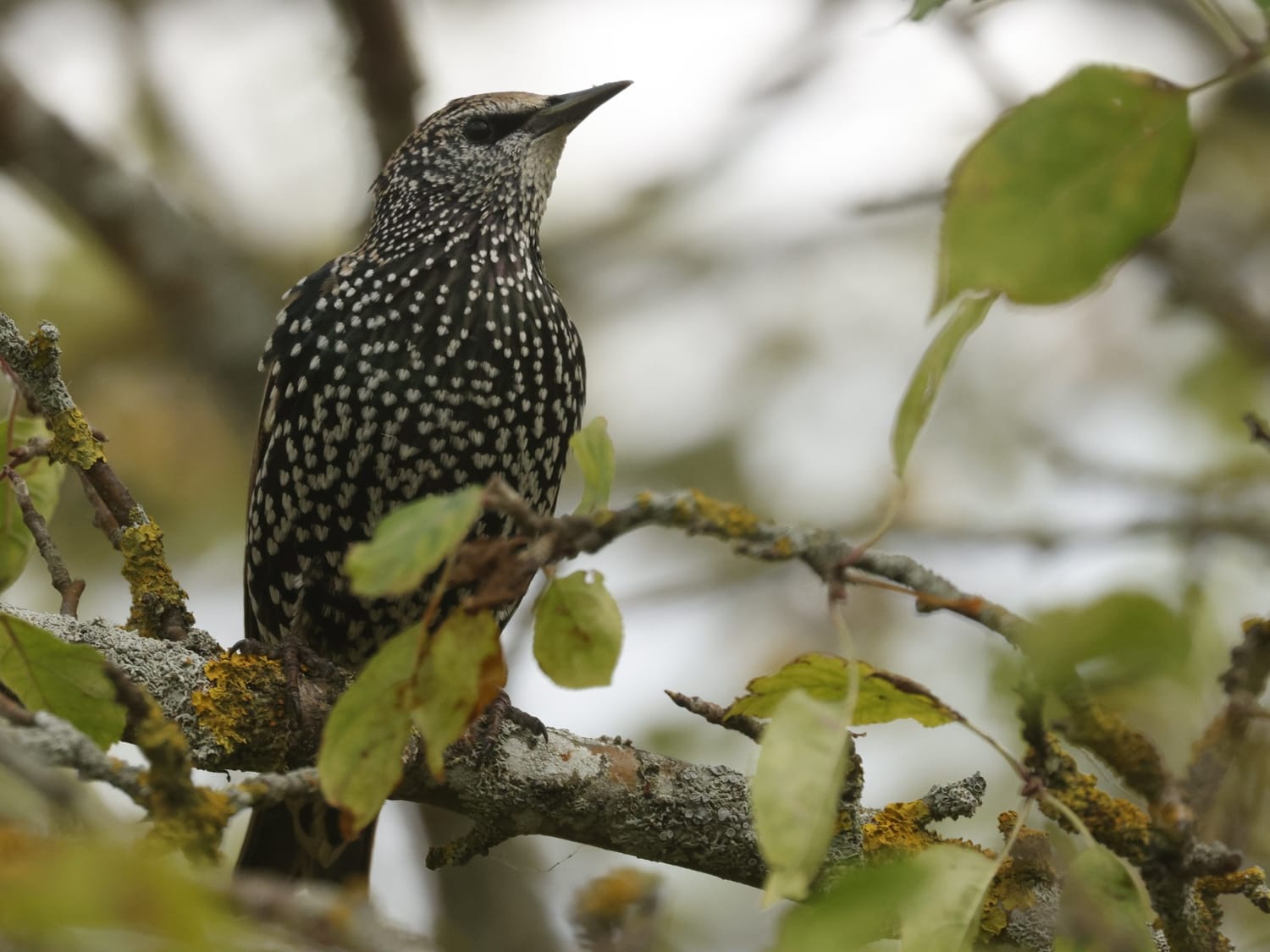
Starling, Estonia - Philip Precey
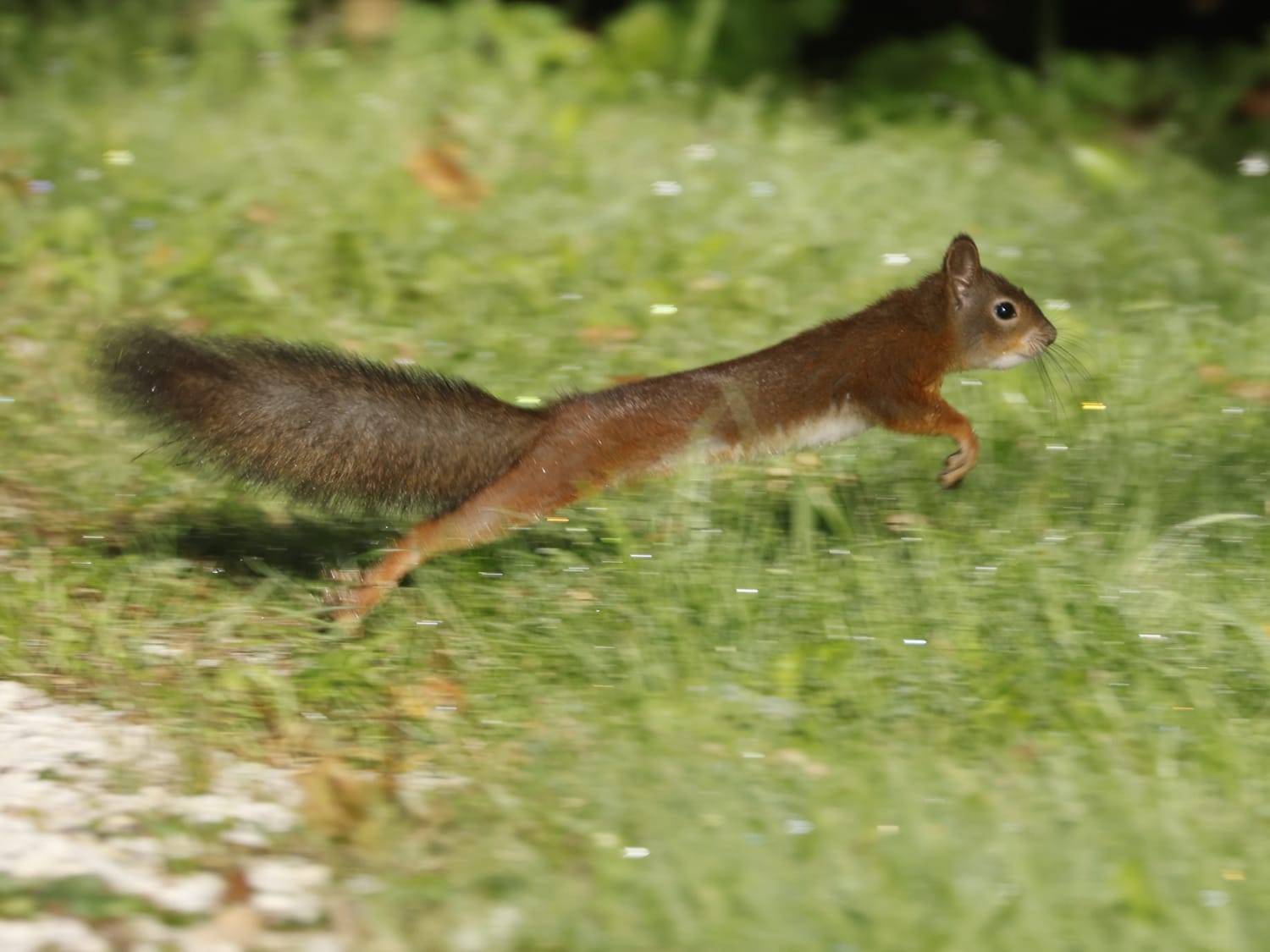
Red Squirrel, Estonia - Philip Precey
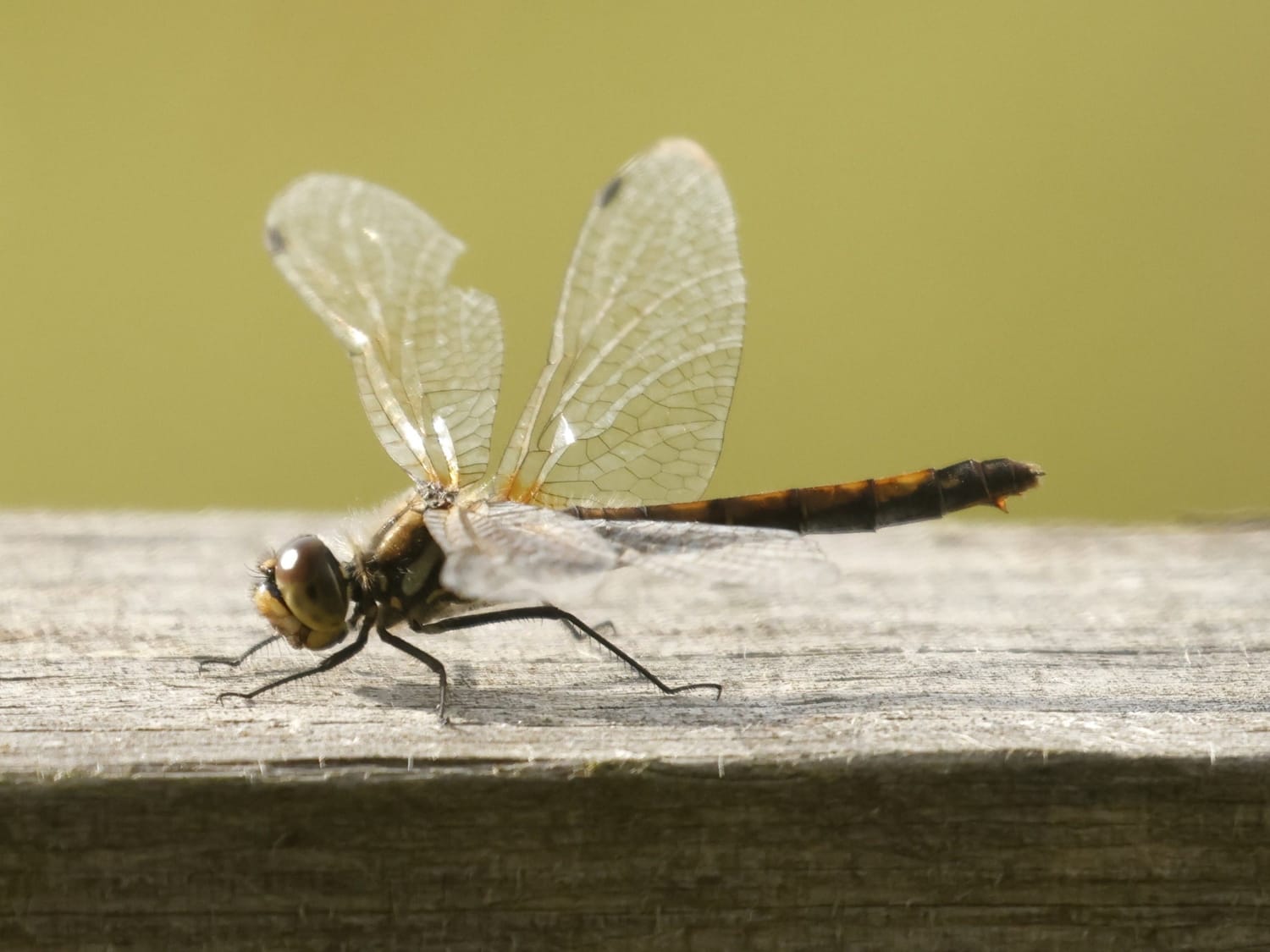
Moustached Darter, Estonia - Philip Precey
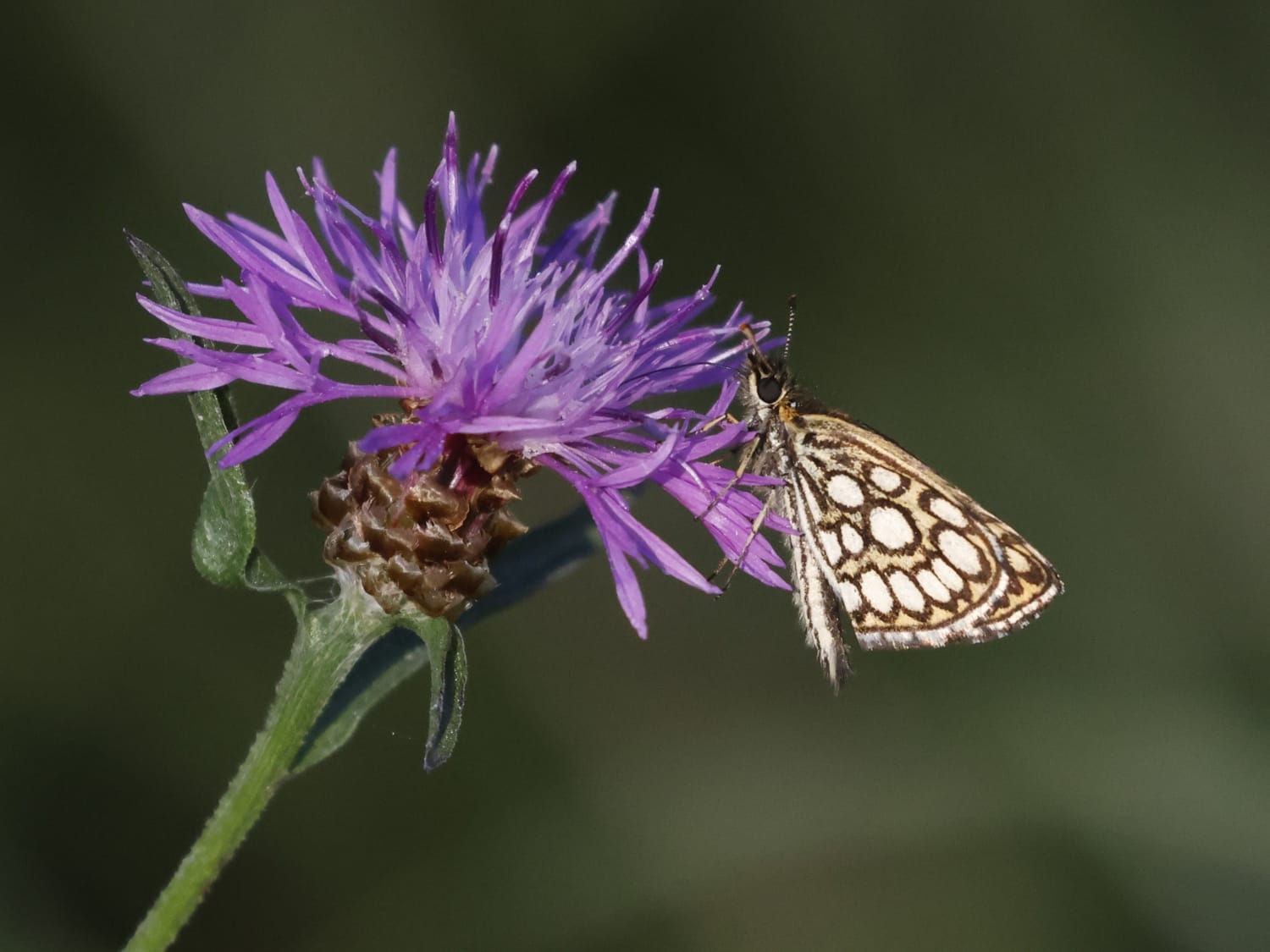
Large Chequered Skipper, Estonia - Philip Precey
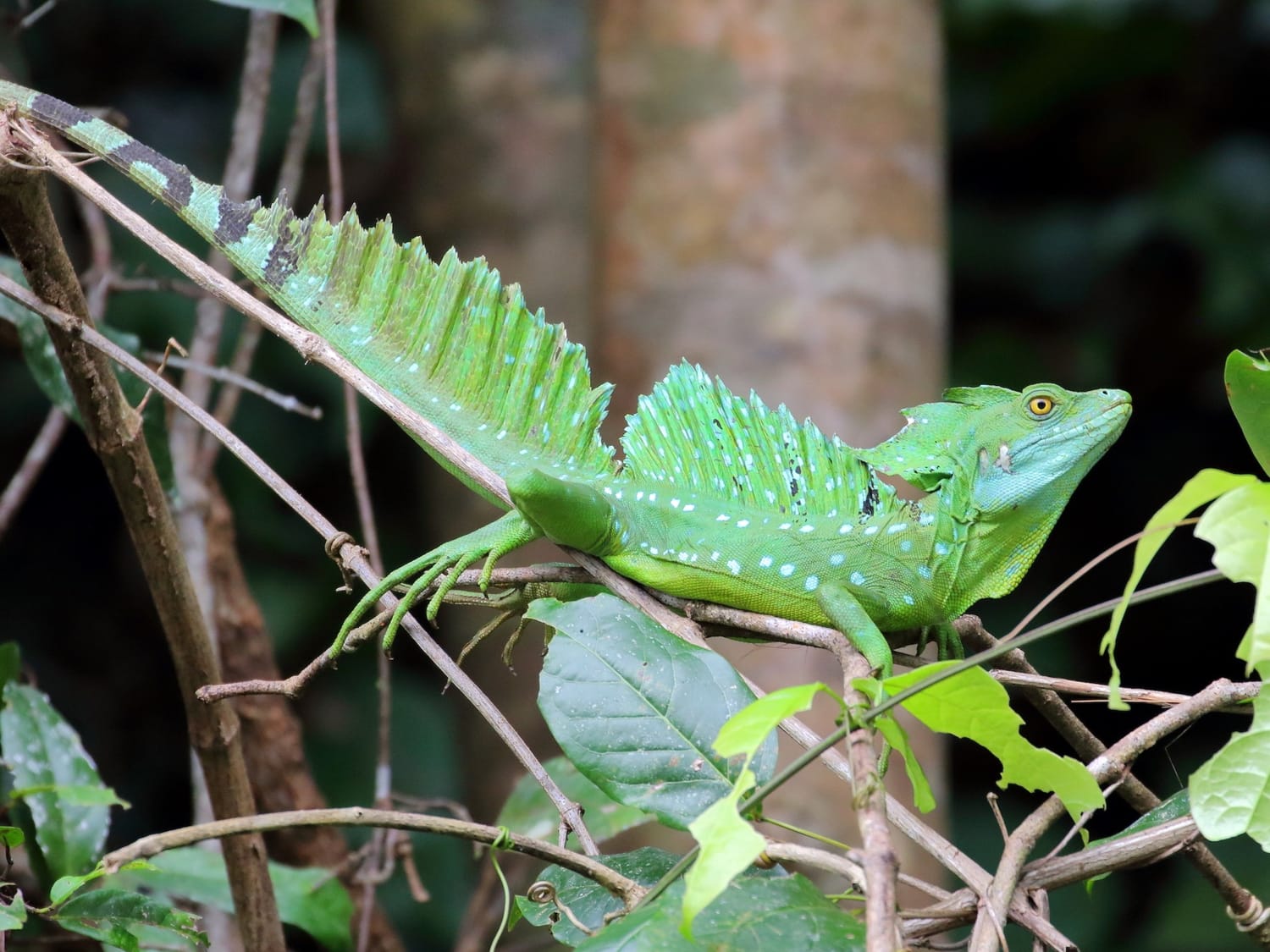
Emerald Basilisk, Costa Rica - Mike Symes
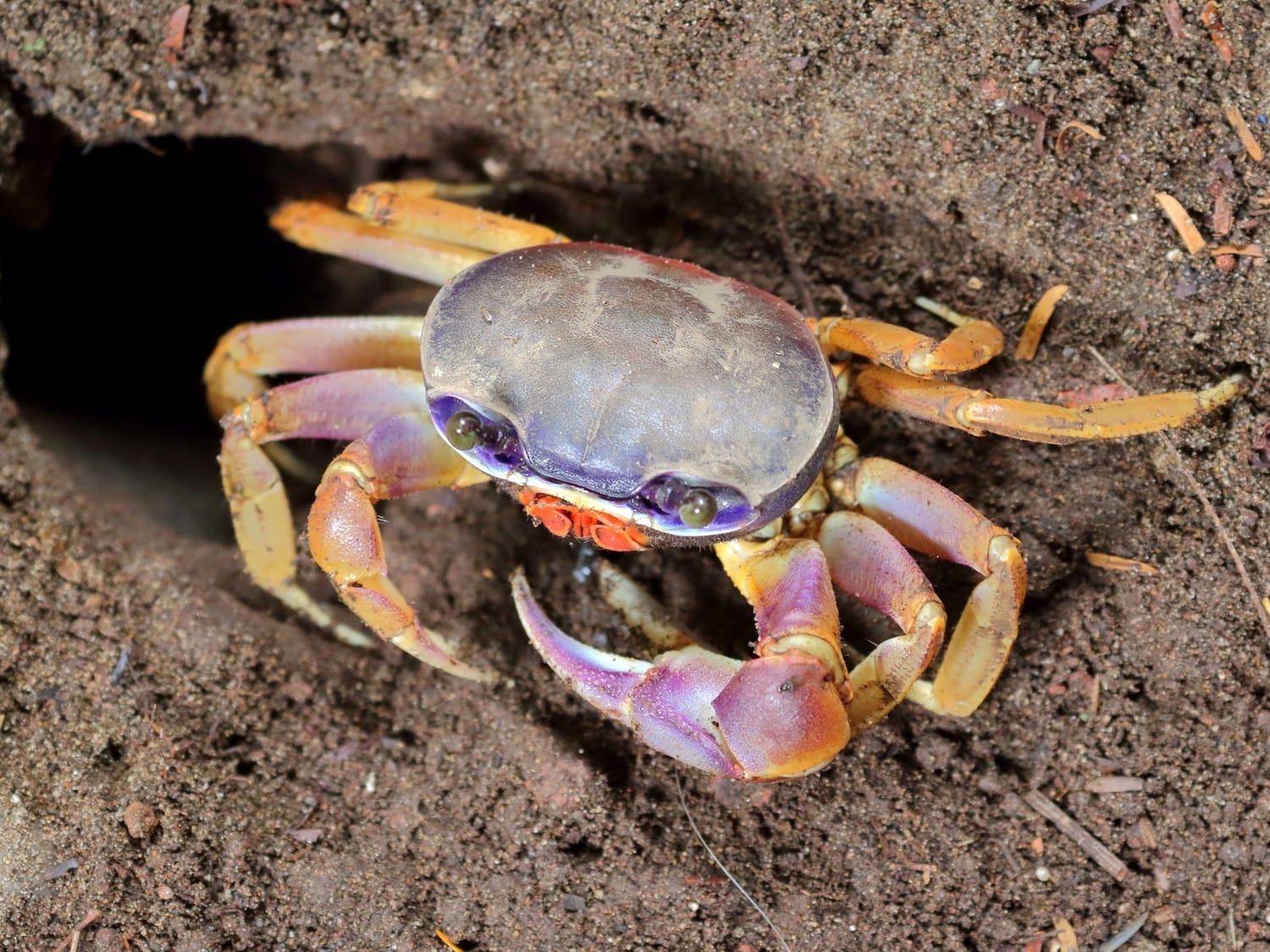
Blue Land Crab, Costa Rica Mike Symes
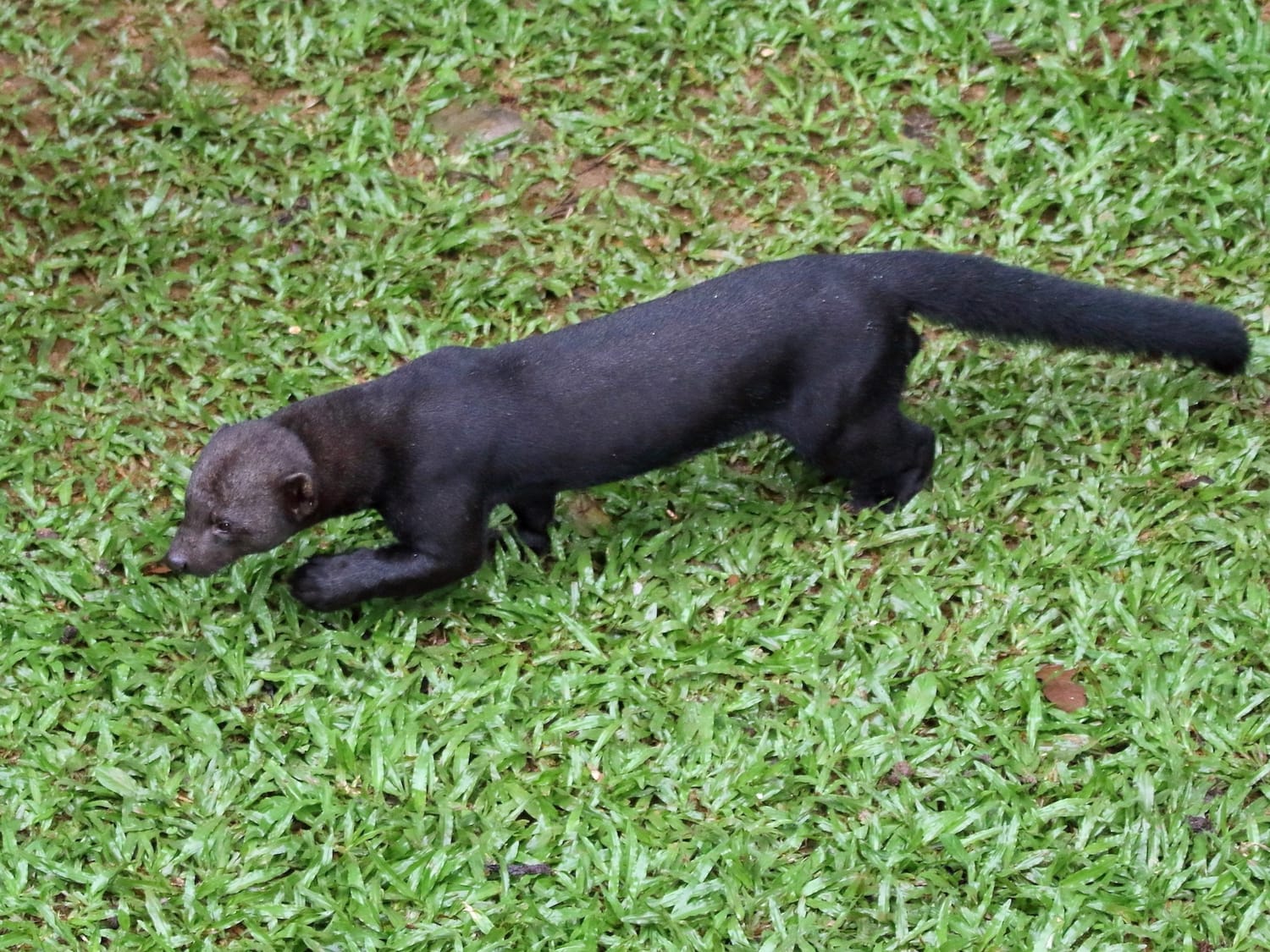
Tayra, Costa Rica - Mike Symes
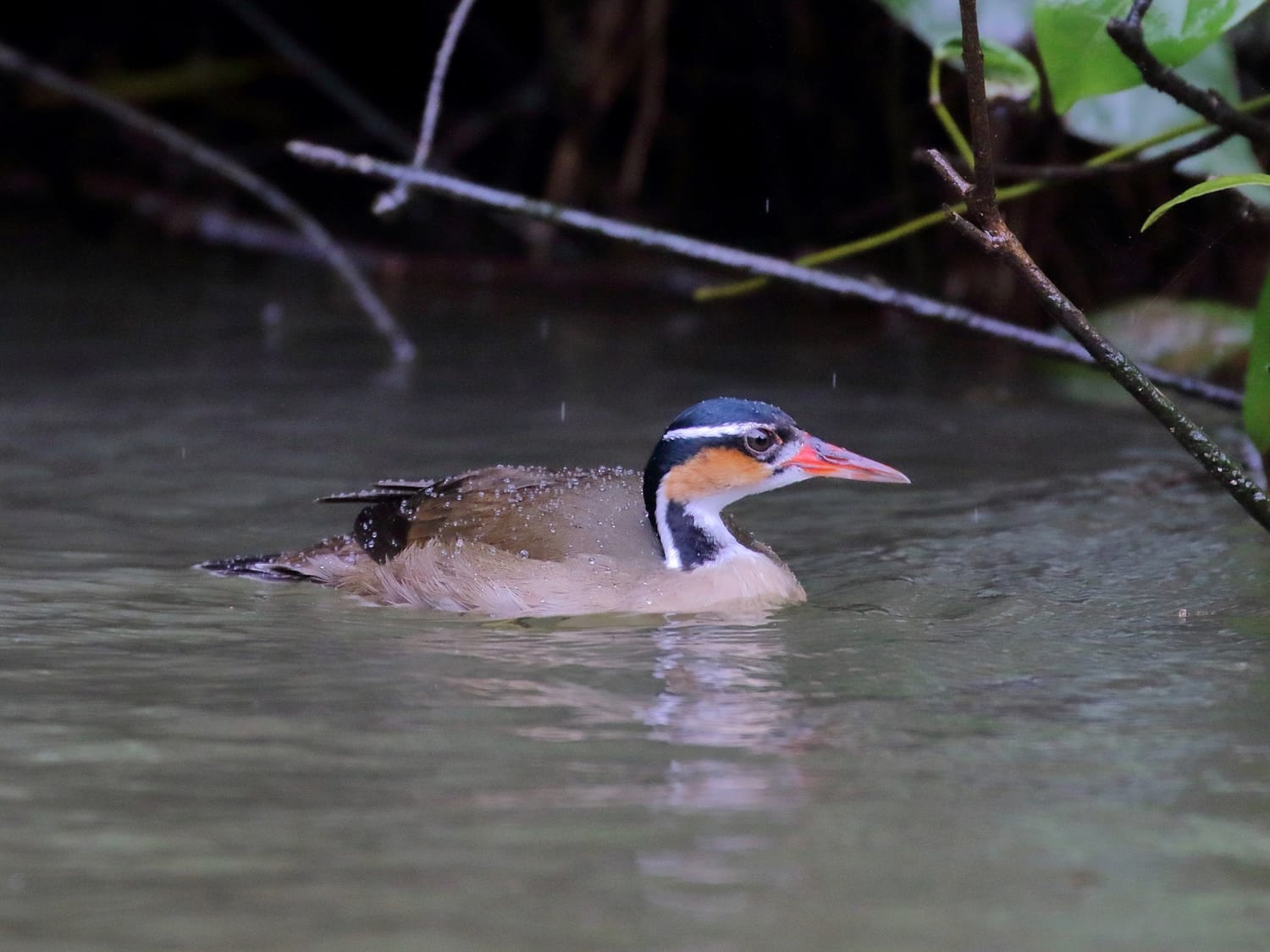
Sungrebe, Costa Rica - Mike Symes
In September Philip accompanied a private group to Estonia, in pursuit of some of the country’s autumn highlights. There were trumpeting Common Cranes a plenty, and vast numbers of wildfowl and waders were on the move. Time at sea provided an encounter with a group of Baltic Ringed Seals, whilst a night in a hide was rewarded with Brown Bears and Red Squirrels.
October brought Mike Russell to Hungary for a week among the plains of Hortobágy National Park and the hills of Bükk National Park, for memorable encounters with Great Bustard, Eastern Imperial Eagle, Wallcreeper, no less than eight species of woodpecker (all of the country’s species!), and of course, Long-eared Owls, at this time of year roosting in large congregations.
Our year ended in the capable hands of Mike Russell and Mike Symes taking two groups to the wildlife paradise of Costa Rica for some top tropical wildlife including sightings of both Jaguarundi and Tayra for some lucky travellers!
Thank you to all our travellers who joined us during 2024, we look forward to more wildlife discoveries with you in 2025!